How to Become an Event Planner (Step-by-Step Guide for Beginners)


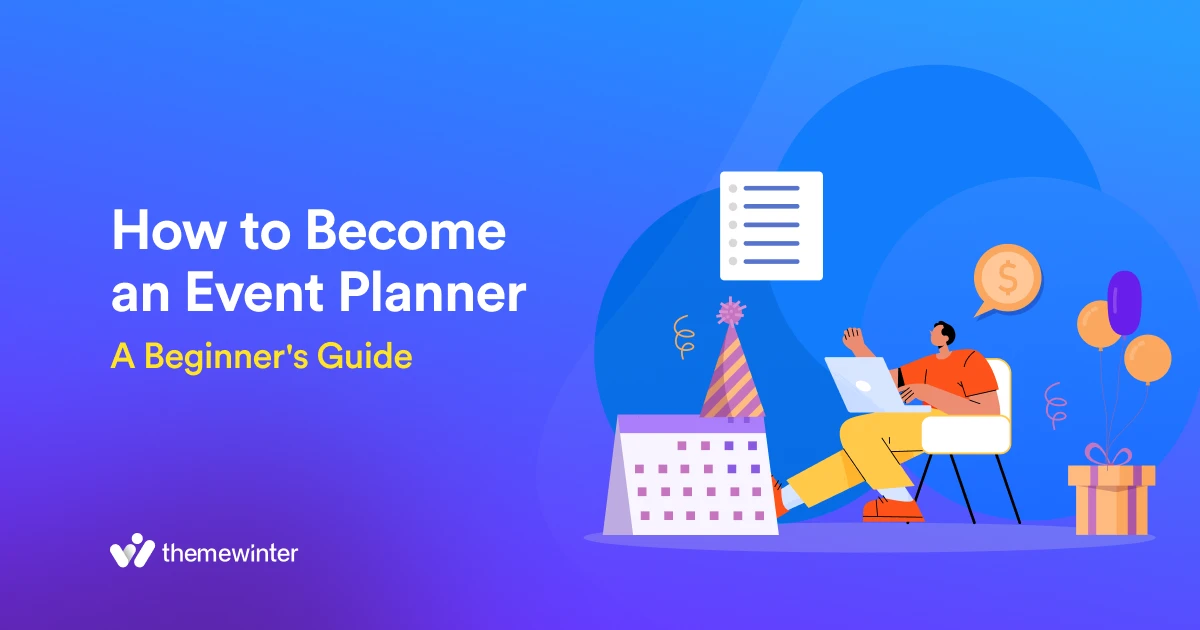
Table of Contents
To learn how to become an event planner, start with the fundamentals, build practical experience, choose a specialization, and create a portfolio. Then apply for entry-level roles or offer planning services. Organization, communication, budgeting, and problem-solving matter at every stage.
Getting started can feel confusing when you have no experience or are unsure whether you need a degree. A clear learning path and a small event to practice on can help you turn your interest into demonstrable skills.
As you take on events, you will also need a reliable way to organize schedules, registrations, and attendee information. This guide explains the career steps first, then shows how a connected workflow on WordPress can support your work.
In this guide, you’ll learn how to start your event planning career step by step, along with practical ways to manage events more efficiently using the right tools.
Quick Overview
Learn the career steps, build your portfolio, and explore a connected WordPress workflow for registrations and attendees.
- What does an event planner do?
- Skills you need to become a successful event planner
- How to become an event planner: Step-by-step
- When spreadsheets and emails become hard to manage
- What to look for in a WordPress event management workflow
- How Eventin supports this workflow in WordPress
- Manual tools, SaaS, and Eventin: What to consider
- Frequently asked questions
What does an event planner do?
Event planners design and deliver memorable experiences. They take an initial idea and turn it into a well-executed event that runs smoothly, stays within budget, and leaves a lasting impression on guests. From weddings and product launches to virtual conferences, they manage every detail so clients can focus on the bigger picture.
Here’s what their work usually includes:
- Understand client needs – Discuss goals, audience, budget, and expectations to set a clear vision.
- Create the event design – Develop the theme, look, and flow of the event — from stage design and décor to guest engagement.
- Plan and manage budgets – Build a realistic event budget, track every expense, and make sure nothing goes over limit.
- Find and manage venues – Research locations, negotiate contracts, and arrange essentials like catering, lighting, and seating.
- Coordinate vendors and partners – Work with florists, caterers, entertainers, AV teams, and more to bring the plan to life.
- Oversee logistics – Schedule timelines, manage invitations, handle registrations, and ensure smooth guest check-ins.
- Manage the event day – Supervise setup, guide teams, solve last-minute issues, and keep the schedule on track.
- Handle post-event wrap-up – Collect feedback, review results, and create reports to measure success.
Beyond the basics
Modern event planners also:
- Adapt events for virtual and hybrid formats, including online registration, clear joining instructions, and an appropriate video meeting setup.
- Focus on sustainable practices such as eco-friendly décor and digital invitations.
- Use tech tools and software for ticketing, scheduling, budgeting, and attendee engagement.
- Apply soft skills like communication, negotiation, leadership, and problem-solving — often the difference between a stressful event and a successful one.
Skills you need to become a successful event planner
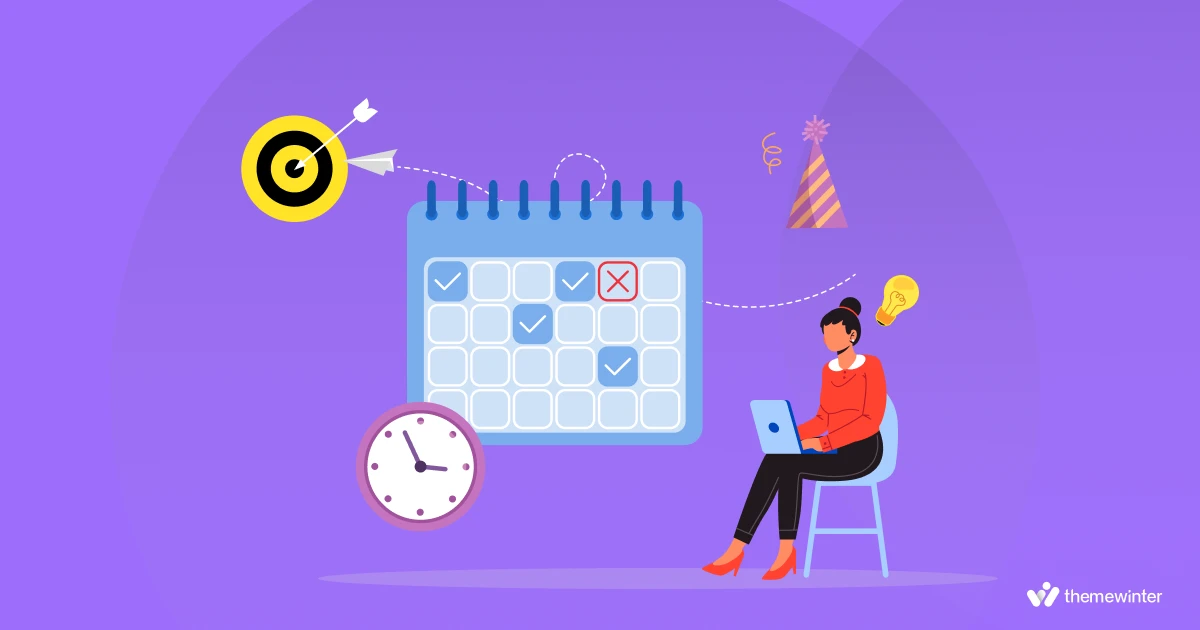
If you’re new to the event planning business, the list of skills might feel a little challenging. Don’t worry — nobody is born knowing how to negotiate with vendors or manage a guest list of 500 people. These are skills you build over time.
The good news? If you enjoy organizing, helping people, and bringing ideas to life, you already have the foundation.
Here are the skills that matter most, and how you can start developing them:
- Organization – Planners deal with budgets, schedules, and vendors. Start small: organize a family gathering or a community event to practice keeping everything in order.
- Communication – Events are teamwork. If you can explain ideas clearly and listen to others, you’re already on the right track. Practicing with clients or vendors just sharpens this skill.
- Creativity – This is about finding solutions and making experiences memorable. Even simple touches like unique seating layouts or themed menus can show your creative side.
- Problem-solving – Things rarely go 100% to plan. A good planner doesn’t panic — they adjust. Begin by handling small challenges calmly, like rethinking a plan when something’s unavailable.
- Negotiation – You don’t need to be a tough salesperson. Negotiation is simply about asking questions and aiming for win-win deals with venues and suppliers.
- Attention to detail – Guests notice the small touches. Practice by creating simple checklists for every project you do. Over time, detail becomes second nature.
- Time management – Deadlines are part of every event. Even learning to break tasks into smaller steps for daily goals helps build this skill.
- Customer service – Clients want someone who listens and cares. If you can make people feel valued, you can build lasting relationships.
- Adaptability – Events can change fast (weather shifts, guest changes, tech issues). Being flexible instead of stressed is a big win.
- Tech know-how – Today’s planners use tools for ticketing, budgeting, or live-streaming. Start with free tools like Google Calendar or Trello before moving to advanced event software.
How to become an event planner: Step-by-step
1. Learn the fundamentals and choose a training path
Start by learning event design, budgeting, logistics, and client communication. You can use a relevant degree, a short course, free learning resources, or supervised event work to build this foundation. Choose a path that fits your target role, available time, and budget.
Many colleges and universities offer certificates or short programs in event planning and hospitality management. You can also find flexible online courses and certifications, ideal if you’re working or managing other responsibilities.
Do you need a degree? Requirements vary by employer and role. A relevant degree can help, but it is not the only route into event planning. Compare local job requirements before choosing a program, and build practical experience alongside your studies. Course length varies by provider; completing a course alone does not guarantee job readiness.
You can start with:
- Short certificate programs in event planning or hospitality.
- Online courses you can finish at your own pace (great if you’re working or studying something else).
- Free resources, workshops, or even volunteering to build real experience.
These learning paths usually cover topics like:
- Event design and production
- Budgeting and financial management
- Marketing and promotion
- Venue selection and contract negotiation
- Risk management and safety
- Vendor and stakeholder management
💁 Related reading: How to Create a Smart Event Budget for Maximum Growth (With Examples)- event budgeting guide with examples.
Getting started in the US, India, and Bangladesh
US: Compare event assistant and coordinator vacancies to see which employers ask for a degree or prior experience. Consider supervised work with venues, community organizations, or event agencies.
India: After 12th, compare the eligibility, practical training, fees, and duration of event management or hospitality programs. Campus events and agency internships can help you build experience alongside study.
Bangladesh: Practice through university club events, community workshops, or assisting a wedding or event agency. Record your responsibilities and publish a case study on your WordPress portfolio.
These are starting options, not fixed qualification requirements. Check each employer or course provider directly.
2. Develop skills + learn event-planning tools
The best way to grow in event planning is through practice. Every event — big or small — teaches you how to manage people, time, and resources.
Start by helping out at community gatherings, school programs, or company workshops. These small steps build confidence and give you real experience you can show in your portfolio.
Alongside practice, it’s important to get comfortable with the tools professionals use to stay organized:
- Event management tools – Learn how event pages, registration forms, ticketing, schedules, and attendee lists fit together on a WordPress website.
- Project management platforms – Trello, Asana, and Nifty keep track of tasks, deadlines, and team responsibilities.
- Budget tracking – Google Sheets or Excel are reliable for keeping expenses clear and under control.
- Communication apps – WPTimetics, Booktics, Google Meet, and Zoom help you coordinate with clients, vendors, and teams, especially for online or hybrid events.
💡 Tip for beginners: Don’t feel pressured to master every tool at once. Pick one tool for tasks and one for communication, then add more as you grow. The goal is progress, not perfection.
3. Gain hands-on experience
Event planning is one of those careers where real experience matters more than anything else.
The more events you work on, the better you’ll understand how to handle challenges, manage people, and keep everything on track. Volunteering, internships, or even helping with family and community events can give you valuable practice.
Beginner checklist: Help with one small event, agree on your responsibilities, prepare a sample schedule and budget, record what you delivered, and ask the organizer for feedback. Keep attendee details private when sharing your work.
4. Choose your specialization
As you explore different types of events, you’ll likely find one area that excites you more than others. That’s where specialization comes in. Choosing a niche makes it easier to stand out, attract the right clients, and build a strong reputation.
Here are a few popular specializations to consider:
- Weddings – From ceremonies to receptions, wedding planning focuses on creating memorable, once-in-a-lifetime moments.
- Corporate events – Includes conferences, seminars, product launches, and office parties, often with large budgets and professional goals.
- Social events – Planning birthdays, anniversaries, and private celebrations where personal touches matter most.
- Non-profit & charity events – Fundraisers, galas, and community programs that combine planning with a sense of purpose.
- Virtual & hybrid events – Webinars, online conferences, and live-streaming experiences that are now a core part of modern event planning.
✨ Beginner tip: You don’t have to pick a niche right away. Try out different event types first — your specialty will often reveal itself as you gain experience and see what you enjoy most.
5. Create a portfolio and prepare your resume
Your portfolio is your proof. It shows clients or employers that you can take an idea and turn it into a successful event. Even if you’re just starting, you can build a portfolio that highlights your potential.
Here’s what to include:
- Event photos – Add pictures of events you’ve planned, volunteered for, or assisted with. Even small community events count.
- Project details – Include a short write-up: What type of event it was, your role, the budget range, and the outcome.
- Client or team feedback – Collect testimonials from people you’ve worked with (teachers, friends, nonprofits, or companies).
- Certifications & training – Add any relevant courses or certifications, such as event management, project management, or design.
- Skills showcase – Show sample checklists, budgets, or mood boards to demonstrate your planning process.
💡 Beginner Tip: Don’t wait until you have big clients. Start with what you have — even a well-organized birthday party or school event can be part of your first portfolio.
Resume Preparation
When creating your event planner resume:
- Highlight transferable skills (organization, communication, customer service).
- Add any event-related experience, even if it was unpaid or volunteer work.
- Tailor your resume for the type of event planning job you want (weddings, corporate, freelance, etc.).
Helpful resources (Free)
- 📘 Canva Event Portfolio Templates – Free, customizable portfolio layouts.
- 📘 Novo Resume Builder – Easy tool for creating professional resumes.
Build your WordPress portfolio: Create a case-study page with the event brief, your role, an approved photo, a sample budget, the schedule, and the outcome. Keep a PDF version for applications. Clearly label practice projects and only publish photos or testimonials you have permission to use.
6. Network with event professionals
In event planning, who you know is just as important as what you know. Building strong connections can help you find new clients, discover job opportunities, and learn tricks of the trade from people who’ve been in the industry for years.
Here are some beginner-friendly ways to grow your network:
- Join professional associations – Groups like Meeting Professionals International (MPI), the International Live Events Association (ILEA), or the National Association for Catering and Events (NACE) give you access to resources, workshops, and networking meetups.
- Attend industry events – Conferences, trade shows, and local business expos are great places to meet suppliers, venues, and other planners face-to-face. Even volunteering at these events can expand your network.
- Be active online – Platforms like LinkedIn, Instagram, and Facebook groups have thriving communities of event planners. Share your work, ask questions, and join conversations to get noticed.
- Find a mentor – An experienced event planner can guide you, share insights, and even connect you to their professional circle. Many associations and online communities offer mentorship programs.
- Collaborate with peers – Teaming up with photographers, caterers, or designers can not only build your portfolio but also strengthen long-term professional relationships.
💡 Beginner tip: Networking doesn’t mean handing out business cards everywhere. Start small — comment on a LinkedIn post, join a group discussion, or introduce yourself at a workshop. Over time, these small steps can lead to real opportunities.
7. Apply for entry-level roles or market your services
For an employed role, look for event assistant or coordinator vacancies with agencies, venues, and organizations. Match your resume to the responsibilities and attach a relevant portfolio example. If you want freelance clients, use your website and local network to explain the services you offer.
Here are simple ways to start:
- Build a professional website – Use WordPress to bring your services, portfolio, testimonials, enquiry form, and upcoming events together on your own website.
- Share your work on social media – Post photos, behind-the-scenes stories, and client reviews on Instagram, Facebook, and Pinterest. These platforms are visual and perfect for event planning content.
- Connect locally – Partner with venues, photographers, caterers, and other vendors in your area. Word-of-mouth referrals are often the fastest way to grow.
- Offer beginner promotions – Simple referral bonuses or first-time discounts can help you get your first few clients and build your reputation.
- Be visible on Google – Set up a Google Business Profile so local clients can easily find you. Add keywords like event planner, wedding planner, or corporate event planner to your website and blog content for better search visibility.
Pro tip: Begin with a clear WordPress portfolio, one active social profile, and consistent outreach to relevant employers or local partners. Add online registration when you have an event that needs it.
When spreadsheets and emails become hard to manage
Spreadsheets and emails can work for a small event. Problems arise when registration forms, payment records, and attendee lists need frequent updates across different files. A duplicate entry or missed confirmation can create confusion on event day.
Here’s what usually goes wrong:
- You lose track of registrations and attendee data
- Managing ticket sales becomes confusing without a proper event registration system
- Manual check-ins slow down entry at the event
- Communication with attendees becomes inconsistent
- Important details get missed, leading to poor event experience
For example, a guest may update their booking by email while the check-in team still uses an older spreadsheet. As registrations grow, keeping those records in sync takes more effort. A connected workflow can reduce repeated data entry and give your team a consistent attendee list.
What to look for in a WordPress event management workflow
Look for a workflow that connects your event page, registration form, confirmation emails, attendee list, and check-in process. Start with the tasks your event actually needs, and compare WordPress event management tools against those requirements.
Keep budgets, vendor agreements, and team responsibilities in suitable planning tools. Your registration setup should complement this work. For paid events, check payment-provider availability, supported currencies, fees, and compatibility for your country before choosing a checkout option.
How Eventin supports this workflow in WordPress
If your website runs on WordPress, an event plugin can connect the public event page with registration and attendee records. This is useful when you want your portfolio, services, and events on the same site.
Eventin is a WordPress event management plugin that supports event creation, registration, ticketing, schedules, and attendee management. Choose the features your event needs and test the complete registration journey before launch.
Here is how its features fit an event workflow:
- Event pages and registration: You can create events, manage attendees, and control registrations from one dashboard. This keeps event details and registration records together.
- Built-in Event Registration & Ticketing: Set up registration forms and ticket options inside WordPress. Paid checkout requires a supported payment setup, such as a compatible WooCommerce gateway.
- Advanced Event Scheduling: Easily manage recurring events, workshops, webinars, and multi-day programs using a structured event scheduling system.
- Smart Attendee Management: Track participants, manage check-ins, and handle your audience with a proper attendee management system instead of spreadsheets.
- In-person, virtual, and hybrid events: Whether you’re running online events, offline events, or hybrid events, you can organize the event details and registration on your site.
Example: Plan a small workshop on WordPress
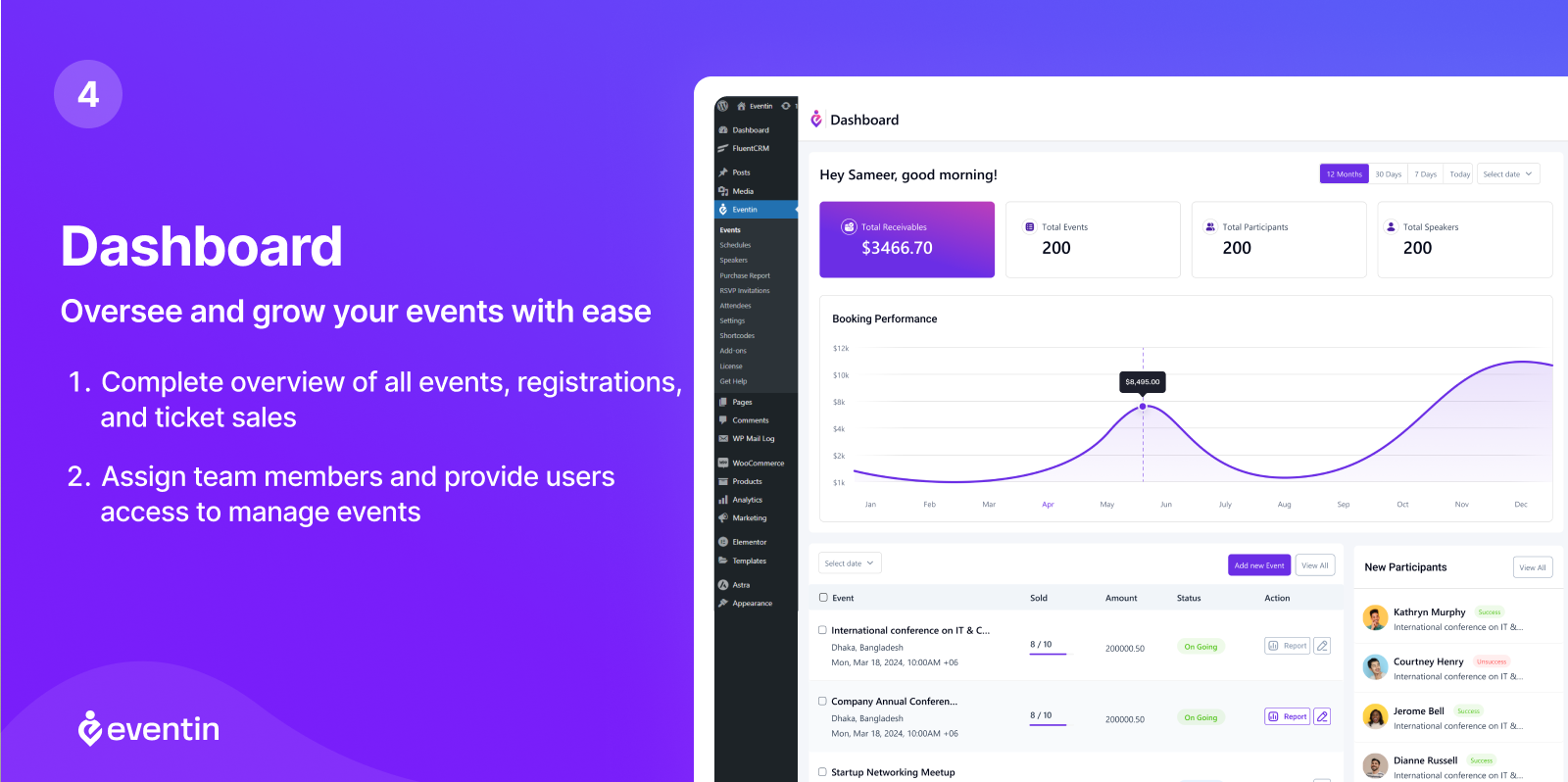
Practice scenario: Use a demo workshop to rehearse the workflow before opening a real event. This is an illustrative exercise, not a reported client result.
- Event page: Add the topic, venue or joining details, date, time zone, schedule, and capacity.
- Registration: Collect only the attendee information you need. For paid tickets, configure and test a supported payment option.
- Confirmation: Submit a test registration and check that the email contains the correct event and joining details.
- Attendee list: Check that the test entry appears correctly and that your team can access the information needed for the event.
- Check-in: Rehearse arrival handling and any ticket-scanning process, then record what you learned in your portfolio.
Follow the WordPress event registration tutorial and the attendee management guide for setup details. Feature availability can vary by version and plan; check the current Eventin plan details, especially for advanced features such as certificates.
Put your event planning skills into practice
Build an event page, test registration, and prepare your attendee workflow on your own WordPress site.
Create Your First Event in WordPressManual tools, SaaS, and Eventin: What to consider
When you start learning how to become an event planner, manual methods like spreadsheets and emails may feel enough. But as your events grow, managing registrations, attendees, and tasks manually becomes time-consuming and error-prone.
Choose based on your event size, technical support, budget, and website needs. SaaS tools provide hosted workflows, with features and fees varying by provider and plan. Eventin runs on your WordPress site, where you also manage hosting, updates, and any required integrations.
Here’s a quick comparison:
Frequently asked questions
How can I become an event planner with no experience?
Volunteer or assist with a small community, campus, or company event. Agree on your role, prepare a schedule or budget, and ask for feedback. Use the work to build a portfolio, then apply for event assistant roles or supervised projects.
Do I need a degree to become an event planner?
A degree is not the only route into event planning. Some employers prefer or require a relevant qualification, while others value practical experience and transferable skills. Check the roles you want before choosing a course, and build experience alongside your learning.
How long does it take to become an event planner?
There is no single timeline. Course duration varies, and becoming ready for paid work depends on the responsibilities you can handle and the experience you build. Start with supervised events and use feedback to decide when to take on more complex projects.
How can I start event planning after 12th in India?
Compare event management, hospitality, or related programs by eligibility, practical training, fees, and duration. Help organize campus or community events and look for internships. Check each provider and employer directly because entry requirements vary.
How can I start an event planning career in Bangladesh?
Start by helping with university club events, community workshops, or an established event or wedding planning team. Build budgeting, vendor communication, and scheduling skills. Document your role and publish approved work on a WordPress portfolio when approaching agencies or clients.
How can I manage event registrations on WordPress?
Use a WordPress event plugin such as Eventin to connect event pages, registration, and attendee records. Configure the event details, test confirmation emails, and rehearse check-in. For paid events, verify payment-provider availability and compatibility before opening ticket sales.
How do event planners measure event success?
Compare the event outcomes with the original goals. Review attendance, budget performance, attendee feedback, and any relevant engagement measures. Record what worked and what you would change for the next event.
Final word
Start with one practical step: assist with a small event, document your responsibilities, and turn the experience into a portfolio case study. Keep developing your skills, build a professional network, and apply for suitable roles or introduce your services to potential clients.
As your events grow, review where registrations, confirmations, and attendee records need a more connected process. Match your tools to the event rather than adding software before you need it.
If you use WordPress, Eventin can support event pages, registrations, tickets, and attendee management while your site also showcases your planning experience.