Loyalty Programs for Business: Beyond Ecommerce Purchases


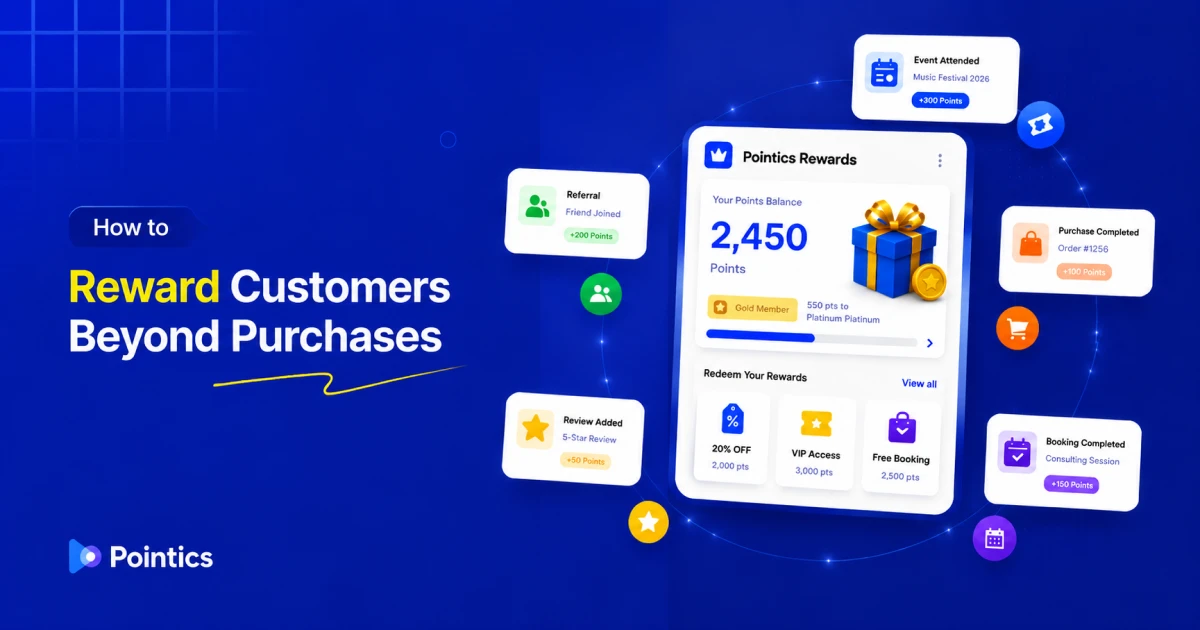
Table of Contents
A loyalty program for businesses rewards customers for valuable actions such as purchases, referrals, bookings, event attendance, and engagement. Modern loyalty programs go beyond ecommerce by helping events, restaurants, service providers, and course creators build stronger customer relationships.
Instead of rewarding only transactions, businesses can create loyalty experiences that recognize every important customer interaction and encourage repeat engagement.
Quick Answer: What Is the Best Loyalty Program Approach for Different Businesses?
The best loyalty program depends on what customer behavior a business wants to encourage. Events may focus on attendance and referrals, restaurants may reward repeat visits, and service businesses may prioritize recurring bookings.
| Business Type | Main Goal | Reward These Actions | Best Loyalty Approach |
|---|---|---|---|
| Events | Increase repeat attendance | Ticket purchases, event check-ins, referrals | Points and referral rewards |
| Restaurants | Encourage returning guests | Orders, reviews, repeat visits | Points and visit-based rewards |
| Booking Businesses | Increase repeat clients | Appointments, packages, referrals | Points and milestone rewards |
| Online Courses | Improve learner engagement | Enrollment, lesson completion, referrals | Progress-based rewards |
| Ecommerce Stores | Increase repeat purchases | Orders, reviews, referrals | Points and VIP tiers |
A successful loyalty program does not reward every action. It focuses on the behaviors that create long-term customer value.
Types of Loyalty Programs Businesses Can Use
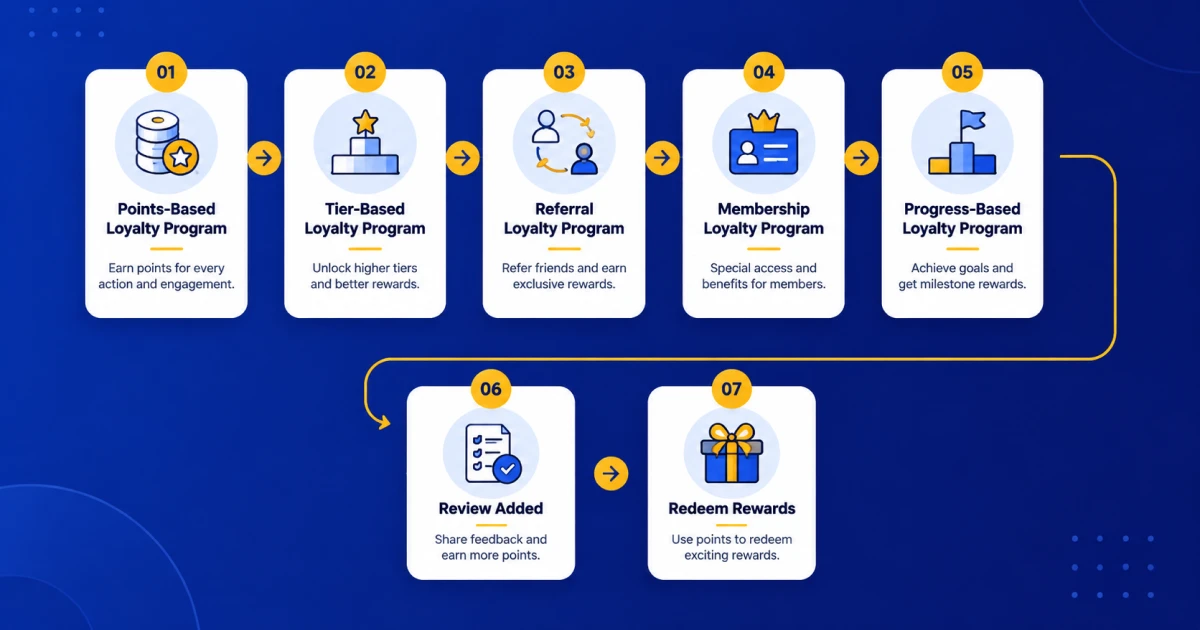
Different businesses need different loyalty models depending on their goals, customer behavior, and engagement patterns. A restaurant may benefit from simple points, while a premium service business may need VIP tiers or membership-based rewards.
Loyalty programs have become a common customer retention strategy. According to Loyalty360 research, consumers increasingly expect brands to provide personalized rewards and experiences rather than simple discounts.
Here are the most common types of loyalty programs businesses use:
| Loyalty Program Type | How It Works | Best For |
|---|---|---|
| Points-Based Loyalty Program | Customers earn points for actions like purchases, referrals, or engagement and redeem them for rewards. | Ecommerce stores, restaurants, and service businesses |
| Tier-Based Loyalty Program | Customers unlock higher benefits as they reach specific spending or engagement levels. | Premium brands and businesses focused on VIP customers |
| Referral Loyalty Program | Customers earn rewards when they introduce new customers to the business. | Events, courses, SaaS, and service businesses |
| Membership Loyalty Program | Customers receive exclusive benefits by joining a paid or free membership program. | Communities, subscriptions, and premium services |
| Progress-Based Loyalty Program | Customers earn rewards by completing milestones or meaningful actions. | Online courses, events, and learning platforms |
For most small and medium businesses, a points-based loyalty program is the easiest way to start because it can reward multiple customer actions. As the business grows, additional models such as tiers, referrals, or memberships can be added to create a more personalized loyalty experience.
Examples of Successful Loyalty Programs
Many successful brands use loyalty programs to encourage repeat engagement and stronger customer relationships.
| Brand | Loyalty Model | How It Works |
|---|---|---|
| Starbucks Rewards | Points-based loyalty | Customers earn points from purchases and redeem rewards |
| Sephora Beauty Insider | Tier-based loyalty | Members unlock more benefits as they reach higher levels |
| Panera Unlimited Sip Club | Membership loyalty | Customers receive ongoing benefits through a subscription model |
These examples show that loyalty programs can be designed around different goals, including increasing purchases, building exclusivity, and encouraging long-term engagement.
How Do Loyalty Programs Work?
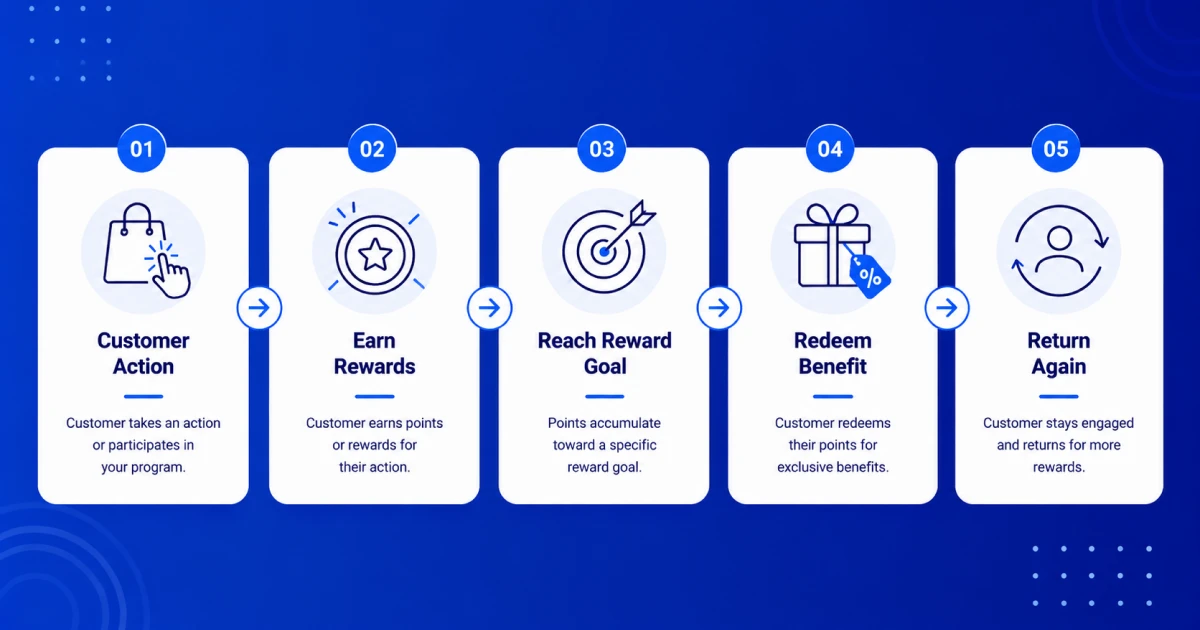
A loyalty program works by rewarding customers for actions that create value for a business. Customers complete specific actions, earn points or benefits, and redeem those rewards for discounts, products, services, or exclusive experiences.
A simple loyalty journey looks like this:
Customer Action → Earn Rewards → Reach Reward Goal → Redeem Benefit → Return Again
Customers Complete Valuable Actions
Businesses first decide which customer behaviors deserve rewards.Reward systems work best when combined with strategies that increase customer value.
For WooCommerce stores, product add-ons and personalized offers can help increase order value while loyalty programs encourage repeat purchases. These actions can include:
- Making a purchase
- Attending an event
- Booking a service
- Leaving a review
- Referring new customers
- Completing a course milestone
The best loyalty programs reward actions that encourage customers to continue engaging with the business.
Customers Earn Points or Benefits
After completing a rewarded action, customers receive points, credits, badges, or other benefits. Businesses can customize earning rules based on their goals.
For example, a business could create a simple reward structure:
- Spend $1 → Earn 1 point
- 100 points → Unlock a $5 reward
- Refer a customer → Earn 50 bonus points
This creates a 5% reward value while allowing businesses to control costs and measure customer engagement.
Customers Redeem Rewards
Customers can exchange their accumulated rewards for valuable benefits. Common redemption options include:
- Discounts
- Free products or services
- Exclusive access
- VIP benefits
- Special offers
A good redemption system should feel achievable while still creating value for the business.
Businesses Measure and Improve Loyalty
A successful loyalty program is continuously optimized by tracking important metrics such as repeat purchases, reward redemption, referrals, customer engagement, and customer lifetime value.
The goal is not only to give rewards but to encourage behaviors that create stronger long-term customer relationships.
One Customer → One Loyalty Wallet Across Every Business Interaction
Modern customers do not think about a business through separate tools or platforms. They see one brand experience. Whether they attend an event, order food, book a service, complete a course, or purchase a product, every interaction builds their relationship with that business.
A unified loyalty system connects these activities into one customer journey. Instead of creating separate rewards for every platform, businesses can give customers one loyalty wallet where they earn and use rewards across different experiences.
For example, a customer could:
- Buy an event ticket and earn loyalty points
- Order food from a restaurant and collect more points
- Book a service and unlock additional rewards
- Complete a course milestone and receive recognition
All these interactions contribute to the same loyalty relationship.
Why Does a Unified Loyalty Experience Matter?
A connected loyalty system helps businesses understand customers beyond individual transactions. It allows them to reward meaningful engagement, increase repeat interactions, and create a more personalized customer experience.
For WordPress businesses using different tools for events, restaurants, bookings, courses, and ecommerce, a unified loyalty approach removes disconnected reward systems and creates one consistent experience.
According to research from Bain & Company, increasing customer retention rates by just 5% can increase profits by 25% to 95%. This is why many businesses focus on loyalty programs to encourage repeat engagement instead of relying only on new customer acquisition.
How Pointics Brings These Experiences Together
Pointics helps WordPress businesses create loyalty programs with flexible reward rules. Businesses can reward customer actions such as purchases, referrals, attendance, bookings, reviews, and engagement while keeping loyalty connected across different WordPress experiences.
This creates a more complete view of customer relationships and helps businesses turn occasional interactions into long-term loyalty.
Loyalty Program for Event Businesses: Turning Attendees Into a Loyal Community
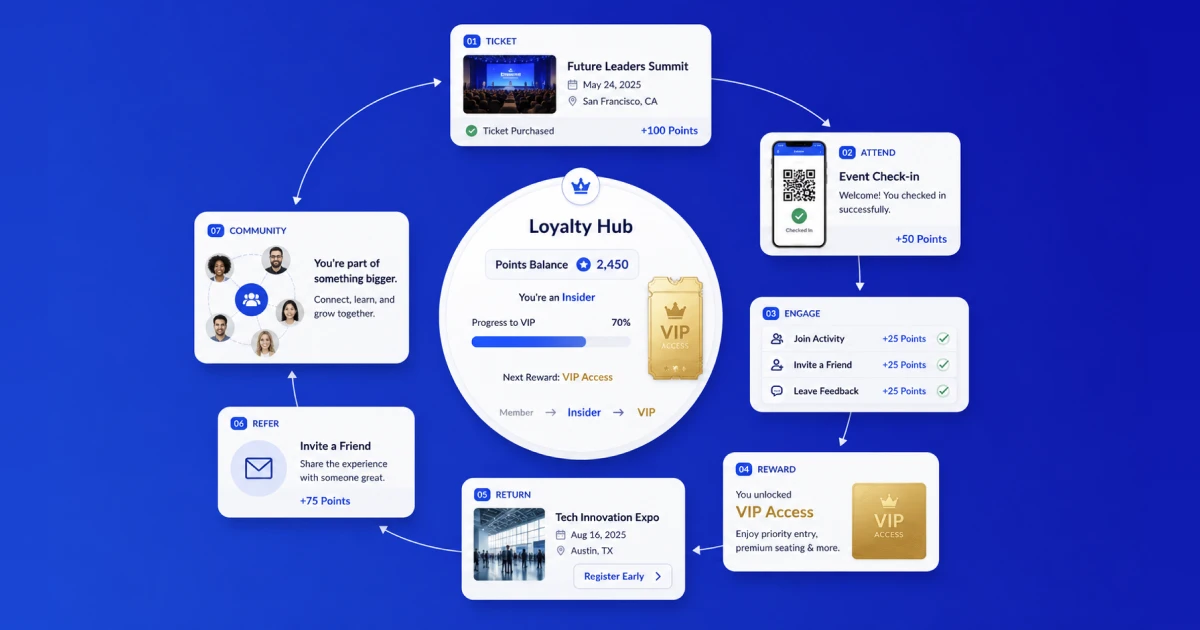
A loyalty program for events helps organizers reward ticket purchases, event attendance, referrals, and repeat participation. Unlike ecommerce loyalty programs that mainly focus on spending, event loyalty programs focus on engagement and community building.
For event businesses, the goal is not only to sell more tickets but to encourage attendees to return, participate again, and recommend future events.
What Should Event Businesses Reward?
Beyond rewarding attendance, event businesses can improve attendee experiences by offering personalized ticket options and paid add-ons. Event organizers can reward actions such as:
- Ticket purchases
- Event check-ins and attendance
- Referrals
- Repeat registrations
- VIP participation
Why Reward Event Attendance and Referrals?
Attendance shows that customers are actively engaged with an event brand, while referrals help organizers attract new attendees through existing relationships. Rewarding these actions can turn one-time visitors into long-term community members.
How Pointics Helps Event Businesses
With Pointics and Eventin, event businesses can create loyalty experiences around ticket purchases, attendance, and referrals. Customers can earn rewards from their event interactions, helping organizers encourage repeat attendance and build stronger attendee relationships.
Loyalty Program for Restaurants: Turning First-Time Guests Into Regular Customers
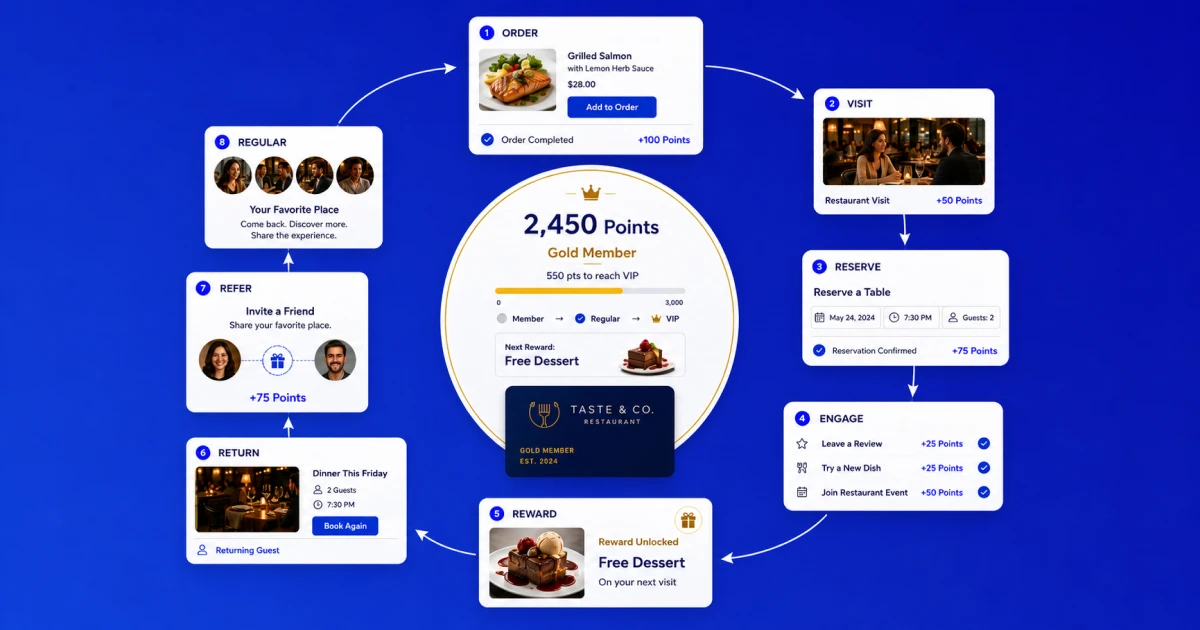
A loyalty program for restaurants helps businesses reward customer actions such as food orders, repeat visits, reviews, and referrals. Instead of relying only on discounts, restaurants can use loyalty rewards to create stronger relationships and encourage customers to return more often.
Restaurants can create a stronger customer journey by combining online ordering, reservations, and loyalty rewards instead of managing each interaction separately.
For restaurants, the goal is not just increasing order value. It is building habits that make customers choose the same restaurant again and recommend it to others.
What Should Restaurants Reward?
Restaurants can reward actions that improve retention, such as:
- Food orders
- Repeat visits
- Table reservations
- Customer reviews
- Referrals
- Birthday or special occasion visits
Why Reward Repeat Visits and Reviews?
Returning customers already understand the menu, trust the brand, and are more likely to become regular guests. Rewarding repeat visits gives customers an extra reason to choose the restaurant again.
Reviews and referrals also help restaurants grow by turning satisfied customers into brand advocates who bring in new guests.
How Pointics Helps Restaurants
With Pointics and WPCafe, restaurants can create loyalty experiences around orders, visits, reviews, and referrals. Businesses can reward more than purchases and build a customer retention system that encourages repeat engagement beyond traditional discount offers.
Loyalty Program for Booking Businesses: Increasing Repeat Clients and Long-Term Relationships
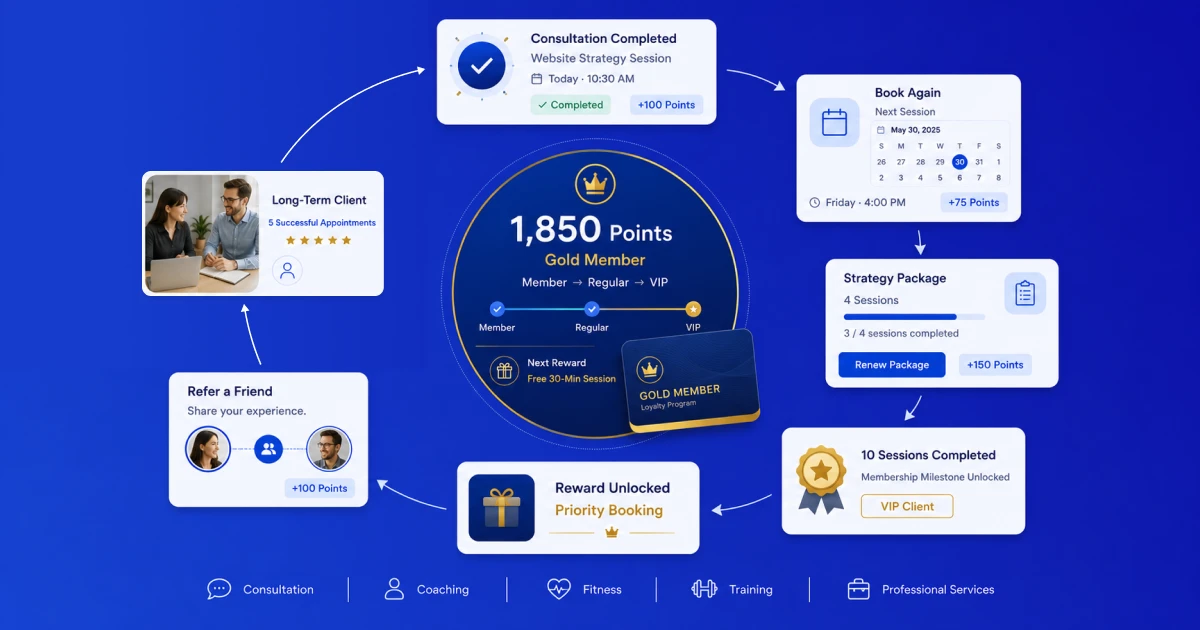
A loyalty program for booking businesses helps service providers reward customers for repeat appointments, completed bookings, referrals, and ongoing engagement. For consultants, coaches, fitness trainers, and other service professionals, customer loyalty depends on building long-term relationships rather than one-time transactions.
The goal of a booking loyalty program is to encourage customers to continue using the service, purchase additional packages, and recommend the business to others.
What Should Booking Businesses Reward?
Booking-based businesses can reward valuable customer actions such as:
- Completed appointments
- Repeat bookings
- Package renewals
- Membership milestones
- Customer referrals
Why Reward Repeat Bookings?
Returning clients already understand the service quality and require less effort to convert again. Rewarding repeat appointments encourages customers to continue their journey and increases long-term customer value.
How Do Referrals Help Service Businesses Grow?
Referrals help service businesses attract new customers through existing relationships. By rewarding customers who recommend their services, businesses can create a growth loop based on trust and positive experiences.
How Pointics Helps Booking Businesses
With Pointics connected to booking workflows, businesses can reward customers beyond a single appointment. Service providers can encourage repeat bookings, recognize customer milestones, and build stronger relationships through a consistent loyalty experience.
Loyalty Program for Online Courses: Keeping Learners Engaged Beyond Enrollment
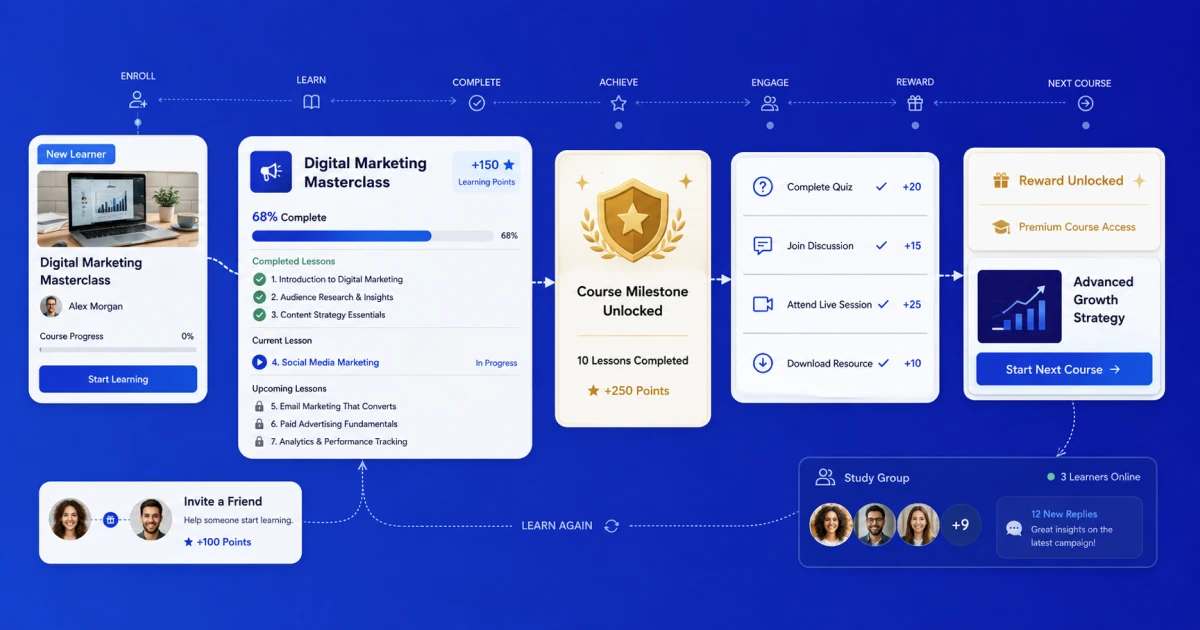
A loyalty program for online courses helps course creators reward student progress, engagement, referrals, and learning milestones. Unlike traditional businesses where loyalty is often based on purchases, education businesses need to encourage continuous participation and course completion.
The goal of an LMS loyalty program is not only to attract new students but also to keep learners motivated, engaged, and connected with the learning community.
What Should Course Businesses Reward?
Online course creators can reward actions such as:
- Course enrollment
- Lesson completion
- Quiz completion
- Course completion
- Community participation
- Student referrals
Why Reward Learning Progress?
Recognizing student achievements helps create motivation and encourages learners to continue progressing. Rewards for completing lessons, finishing courses, or reaching milestones can improve engagement and make the learning experience more interactive.
How Do Referrals Help Course Businesses Grow?
Satisfied students can become valuable promoters by recommending courses to others. Referral rewards encourage learners to share their experiences while helping course creators attract new students through trusted recommendations.
How Pointics Helps LMS Businesses
Pointics allows course creators to reward more than purchases by recognizing student engagement and progress. By rewarding learning milestones and referrals, businesses can create stronger connections with students and encourage long-term participation.
How Do Businesses Measure Loyalty Program Success?
Businesses measure loyalty success by tracking customer behavior and engagement. Common loyalty metrics include:
- Repeat customer rate
- Reward redemption rate
- Referral growth
- Customer lifetime value
- Customer engagement
The goal of a loyalty program is not only increasing rewards usage but encouraging valuable customer actions over time.
How to Choose the Right Loyalty Program for Your Business
Choosing a loyalty program is not only about finding a tool with more features. The right solution should match your business model, customer behavior, and the actions you want to encourage.
Before selecting a loyalty system, consider how customers interact with your business and which behaviors create the most value.
Does It Support the Actions You Want to Reward?
Every business has different loyalty goals. A restaurant may want to reward repeat orders, while an event organizer may focus on attendance and referrals.
Look for a loyalty system that allows you to reward actions such as:
- Purchases
- Reviews
- Referrals
- Bookings
- Attendance
- Customer milestones
Can It Work Beyond Purchases?
Modern loyalty programs should not be limited to transaction-based rewards. Customers interact with businesses in many ways, and each valuable interaction can become an opportunity for engagement.
A flexible loyalty system should support different reward triggers based on your business needs.
Does It Integrate With Your Existing WordPress Tools?
For WordPress businesses, integration is an important factor. A loyalty program should work smoothly with the platforms you already use, such as ecommerce stores, event management systems, restaurant ordering tools, booking solutions, or learning platforms.
A connected setup helps businesses create a consistent customer experience instead of managing separate reward systems.
Can It Grow With Your Business?
Your loyalty needs may change as your business grows. A flexible loyalty solution should allow you to add new reward rules, customer segments, and engagement strategies without rebuilding your entire system.
Choosing the right loyalty program means finding a balance between customer value, business goals, and long-term scalability.
Why Use a WordPress Loyalty Program Plugin?
A WordPress loyalty program plugin helps businesses add rewards, points, referrals, and customer engagement features directly to their existing website. Instead of managing separate loyalty tools, businesses can connect rewards with the platforms they already use.
For WordPress businesses, a flexible loyalty plugin should support different customer actions, including:
- Purchases
- Reviews
- Referrals
- Event attendance
- Restaurant orders
- Bookings
- Learning milestones
A connected loyalty plugin allows businesses to create one consistent reward experience across different customer interactions.
Who Should Use Pointics?
Pointics is built for businesses that want to create loyalty experiences beyond simple purchases. Instead of limiting rewards to ecommerce transactions, it helps businesses recognize different customer interactions such as orders, bookings, attendance, referrals, and engagement.
It is a good fit for businesses that already have regular customer interactions and want to increase repeat engagement through a flexible loyalty system.
Pointics Works Well For:
Event organizers
Reward attendees for ticket purchases, event check-ins, repeat participation, and referrals to encourage customers to return to future events.
Restaurants and cafes
Create loyalty experiences around food orders, repeat visits, reviews, and referrals to turn occasional guests into regular customers.
Booking-based businesses
Encourage customers to book again, complete appointments, purchase packages, and recommend services to others.
Online course creators
Reward student progress, course completion, milestones, and referrals to improve learner engagement.
WooCommerce stores
Build customer retention by rewarding purchases, reviews, referrals, and other valuable customer actions.
Why Choose Pointics for a Multi-Experience Loyalty Program?
Many loyalty tools focus only on ecommerce purchases. Pointics helps WordPress businesses create a broader loyalty strategy by connecting different customer actions into one reward experience.
Whether customers buy a product, attend an event, order food, book a service, or complete a course, businesses can create meaningful rewards that encourage long-term relationships.
What is the best loyalty program for small businesses?
The best loyalty program depends on your goals. A points-based system is a simple option for small businesses because it can reward purchases, referrals, reviews, bookings, and customer engagement.
How much does a loyalty program cost?
A loyalty program cost depends on the software, features, integrations, and reward structure. Businesses should choose a system where customer retention value is higher than the reward cost.
How many points should a loyalty program give?
Most businesses start with a simple earning rule, such as 1 point per dollar spent. The ideal value depends on your margins, rewards, and customer behavior
How long does it take to set up a loyalty program?
A basic points-based loyalty program can be set up quickly. Advanced programs with tiers, referrals, and multiple integrations may require more planning and testing.
What is the difference between a loyalty program and a rewards program?
A rewards program focuses on incentives, while a loyalty program focuses on long-term customer relationships. Modern businesses often combine both to increase repeat engagement and retention.
Can loyalty programs reward actions other than purchases?
Yes. Modern loyalty programs can reward referrals, reviews, event attendance, bookings, course completion, and other customer actions beyond purchases.
What is the best WordPress loyalty plugin?
The best WordPress loyalty plugin depends on your needs. Pointics is designed for businesses that want to reward customer actions across ecommerce, events, restaurants, bookings, and courses.
Are loyalty programs effective for customer retention?
Yes. Loyalty programs encourage repeat engagement by giving customers valuable reasons to return, interact, and build a stronger relationship with a business.
Start Building a Loyalty Program That Fits Your Business
A successful loyalty program is not about giving discounts to every customer. It is about identifying the actions that create long-term value and rewarding customers for continuing to engage with your business.
Whether you run an event platform, restaurant, service business, online course, or ecommerce store, the right loyalty strategy should match how your customers interact with your brand.
With Pointics, WordPress businesses can create loyalty experiences that go beyond traditional purchase-based rewards. Reward purchases, referrals, attendance, bookings, reviews, and customer milestones from one connected loyalty system.
Start building a loyalty program that turns everyday customer interactions into stronger relationships and long-term business growth.
Ready to create a loyalty program beyond ecommerce? Explore Pointics today.