How to Choose a Venue for an Event: Checklist + 9 Proven Tips



Table of Contents
Choosing an event venue is one of the most important decisions you’ll make when planning an event. The right venue affects attendance, guest experience, and even your overall budget.
But here’s the problem.
Many event planners focus only on location or price and miss key factors like capacity, layout, accessibility, parking, and hidden costs. That’s where things start to go wrong.
In this guide, we will discuss how to choose an event venue step by step. We’ll walk through what to check, what to avoid, and how to compare venues properly.
Let’s get started.
Grow Your Events Faster
Plan, manage, and grow your events with Eventin event manager.
- 🟣 Attendee registrations
- 🟣 Virtual events with Zoom
- 🟣 Smart email reminders
- 🟣 Secure ticket sales with Woo
Quick Overview
This guide shows you how to choose an event venue step by step using a practical checklist, what to check before booking, and how to avoid common mistakes. You’ll also learn how Eventin helps you manage event locations, ticket capacity, and attendee details directly from your WordPress site.
- What to look for in an event venue
- A simple event venue checklist before booking
- Key factors like capacity, location, and layout
- Hidden costs to check in venue contracts
- How Eventin helps you manage venues and event details

Why venue selection is crucial for event success
The venue is more than just a space; it’s where your event experience begins. The correct location affects how people feel, engage, and remember your event. A poor choice, on the other hand, can lead to low turnout, technical problems, or a mismatched atmosphere that breaks the flow.
Here’s why venue selection matters more than most organizers think:
- First impressions count: The venue sets the mood from the moment guests arrive.
- Capacity and comfort: A space that fits your audience ensures better networking and smoother movement.
- Technical readiness: Lighting, sound, and connectivity directly impact event quality.
- Accessibility: A convenient, well-connected venue increases event attendance.
- Budget alignment: The right venue helps you balance cost, amenities, and logistics without overspending.
How to Choose an Event Venue (Step-by-Step)
The right venue sets the tone for your entire event. When evaluating options, focus on capacity, location, layout, and amenities that align with your goals. Here are nine expert tips to help you choose the perfect venue and how.
1. Define Your Event Requirements Clearly
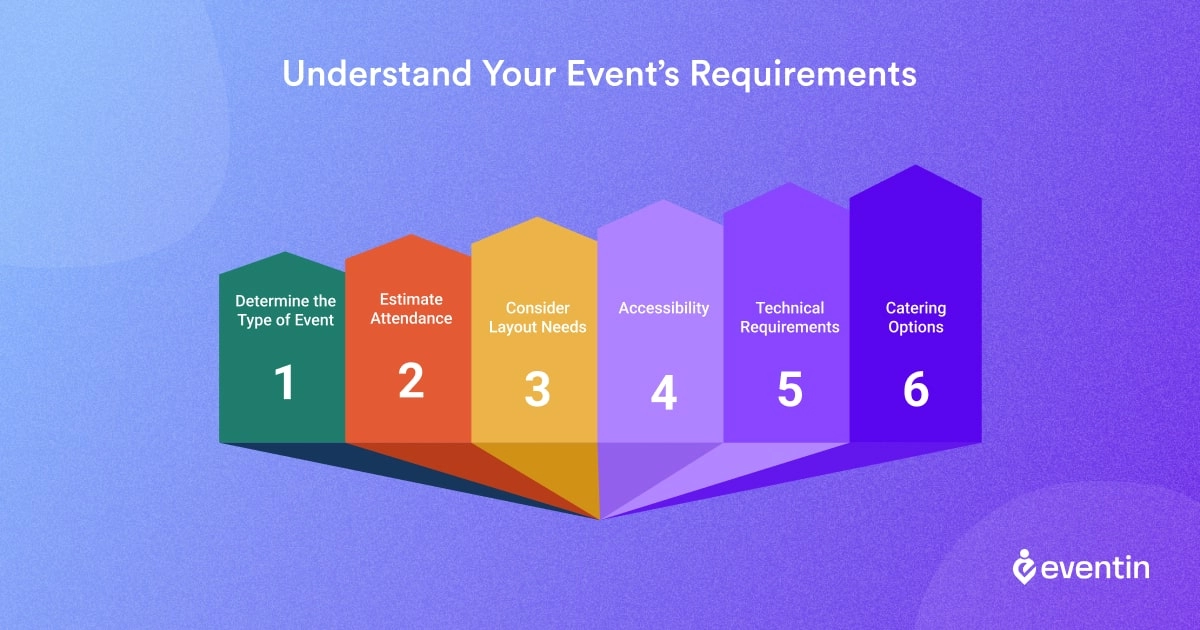
Start by defining your event venue requirements, including guest count and venue capacity for events. This foundational step ensures that the venue you choose not only fits aesthetically but also caters efficiently to the logistics of your event.
Here’s how to get a solid grasp on venue requirements for an event:
- Determine the Type of Event: Is it a formal dinner, a conference, or a casual party? The nature of your event determines the ambience and facilities you’ll need. For instance, a business conference may require high-tech equipment for presentations, whereas a wedding might need space for a dance floor and band.
- Estimate Attendance: Knowing how many guests you expect will help you in event venue selection that can comfortably accommodate your crowd without feeling overcrowded or unnecessarily vast.
- Consider Layout Needs: Think about the activities planned for the event. Will there be breakout sessions, workshops, or networking areas? This will affect how much space you need and the layout that will best facilitate these activities.
- Accessibility: Ensure the venue is accessible for all guests, including those with disabilities. Check for features like wheelchair ramps, elevators, and accessible restrooms.
- Technical Venue Requirements for an Event: Identify the audiovisual and technological needs of your event. Do you need high-speed internet, projectors, or special lighting? Make sure the venue can support these.
- Catering Options: Does the venue have in-house catering, or will you need to hire outside vendors? Consider whether there are kitchen facilities and what equipment is available.
2. Choose the Right Venue Type
Before you even see the agenda, the venue itself starts setting expectations. Is it at a swanky art gallery or a cozy restaurant? This is because different types of event venues work better depending on your event type.
The location isn’t just a detail; it’s part of the experience. That’s why choosing the right venue is a pivotal decision in event planning. It’s not just about the physical space; it’s about what the choice of venue communicates to your guests.
Here’s how to make sure the venue type aligns perfectly with the vibe and vision of your event:
- Conference Centers: Think of these as the go-to for educational or corporate gatherings. Their functional design is geared toward learning and networking, helping you keep the event focused and on track.
- Hotels: Ideal for convenience, especially if you have guests coming from far and wide. Hosting your event in a hotel means fewer logistics for attendees, promoting a higher turnout and smoother experience.
- Banquet Halls: Envision your event draped in elegance. These spaces are perfect for grand receptions or balls where the setting is meant to impress.
- Outdoor Venues: The allure of nature can be irresistible. Whether it’s a beachfront bash or a barnyard barbecue, the choice of an outdoor setting naturally crafts a laid-back, enchanting atmosphere.
- Art Galleries and Museums: Select these when you want the surroundings to speak as loudly as the speakers. They add a layer of cultural richness and sophistication that can elevate any gathering.
- Restaurants and Bars: These venues are ideal for more intimate or casual events. They provide a familiar and relaxed environment, perfect for gatherings where dialogue and interaction are the main course.
- Unconventional Spaces: Looking to make a statement? Venues like converted warehouses or historic buildings offer a unique canvas, ready to be transformed into something truly one-of-a-kind.
3. Choose a Convenient Location for Attendees

Think about the last time you attended a memorable event. What made it stand out? Chances are, the location played a starring role.
Choosing the right venue can not only impress your guests, but a good event location for attendees improves attendance. So, as you plan your event, keep in mind that the venue’s location is more than a detail; it’s a cornerstone of your event’s success.
Here’s how to zero in on the perfect spot:
- Accessibility: The venue should be easily accessible for all guests, regardless of where they’re coming from. Consider its proximity to major transportation hubs like airports, train stations, and public transit. Also, think about traffic patterns and parking options.
- Relevance: The location should align with the theme of the event. A high-tech conference might thrive in an urban setting with a modern, innovative vibe, while a retreat could be better suited to a serene, natural environment.
- Amenities and Services: What does the venue offer right off the bat? Excellent in-house catering, technological support, décor options, and professional planning services can drastically reduce logistical headaches. Also, check for nearby accommodations for out-of-town guests. The right amenities and services can enhance the venue’s appeal and functionality.
- First Impressions Count: Never underestimate the power of a first impression. The venue’s location and aesthetic impact how your event is perceived. An impressive, well-chosen location can excite and engage your attendees from the moment they set foot inside.
- Safety and Comfort: In today’s world, safety cannot be overlooked. Ensure the venue meets all safety standards and can comfortably accommodate your expected number of guests without feeling overcrowded. A safe and comfortable environment is essential for keeping the focus on the event’s agenda and ensuring that everyone has a good time.
4. Check Venue Capacity and Layout
Event planning often runs into problems that can disrupt even good plans. To avoid this, always check if the venue is available and can handle unexpected changes. Also, make sure the event venue layout fits your sessions, seating, and movement needs.
Here’s how to navigate these waters effectively:
- Start Early: The early bird not only gets the worm but also the best venue options. Starting your search early gives you a broader selection and better negotiating power. Popular venues can book up fast, especially during peak seasons, so getting a head start is crucial.
- Inquire About Multiple Dates: If you have some flexibility with your event date, ask about availability for multiple dates. This can sometimes lead to better rates or availability. Plus, it gives you options should other planning components shift.
- Understand Cancellation Policies: Life happens, and sometimes plans change. Make sure you understand the venue’s cancellation policy thoroughly. How late can you cancel if you need to? Are there fees involved?
- Ask About Plan B Options: Weather, technical issues, or other unforeseen circumstances can impact your event. Check if the venue has options for such scenarios, like indoor spaces that can be used if your outdoor event gets rained out, or if they have on-site technical support to troubleshoot any issues.
- Flexibility with Space Configuration: Depending on the final attendee numbers or any special performances, you might need to alter the space configuration. See if the venue can accommodate different setups and what that entails in terms of cost and logistics.
5. Match the Venue with Your Budget
Sticking to an event budget while finding the perfect venue can feel like you’re trying to hit a moving target, especially with prices fluctuating and options varying widely. After all, you should try with heart and soul to ensure that your event attendees are comfortable with the ticket cost.
But fear not! With a strategic approach, you can secure a venue that not only meets your event’s needs but also respects your financial boundaries.
Here are some savvy tips for effective venue sourcing to ensure you stay on track:
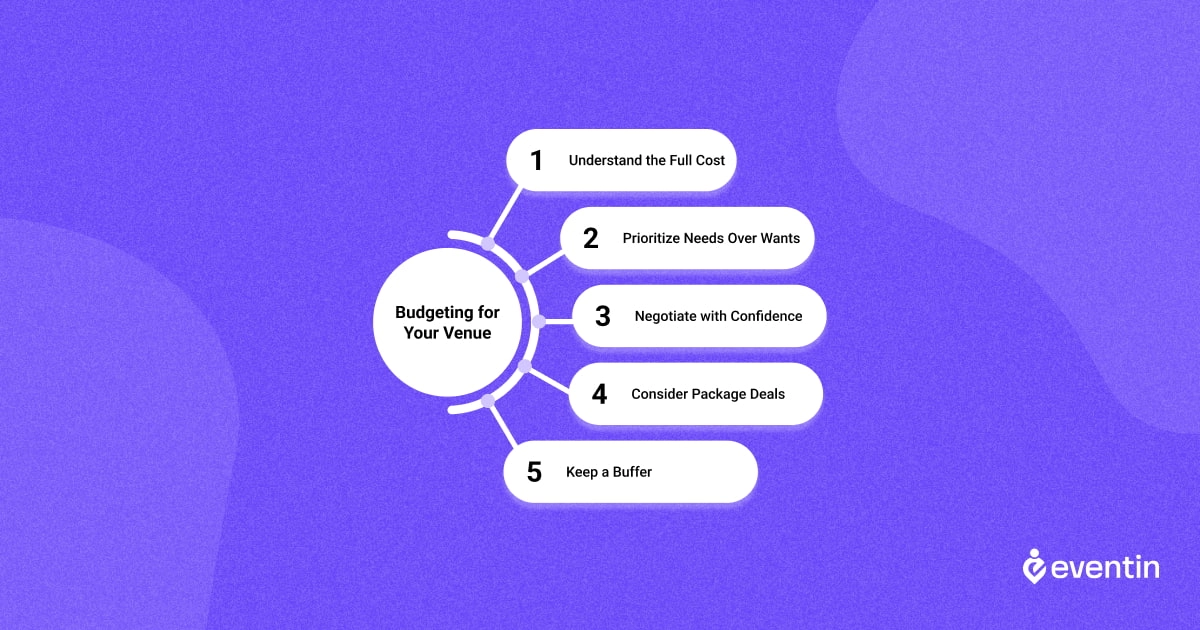
- Understand the Full Cost: When you’re venue hunting, it’s crucial to get a complete breakdown of all costs involved. Beyond the rental fee, consider additional charges for catering, technology use, staff, security, and cleanup. Ask venues for a detailed quote and check if there are any hidden fees like service charges or overtime fees.
- Prioritize Needs Over Wants: List out what you absolutely need in a venue versus what you want. This will help you make compromises without sacrificing the success of your event. Essential features might include capacity, essential AV equipment, and accessibility, while less critical features could be luxury decor or high-end technological facilities.
- Negotiate with Confidence: Everything is negotiable. Don’t hesitate to ask for a better price or more favorable terms. Venue managers are often more flexible if you’re planning an event during their off-peak times or if you can demonstrate that you’ll bring in additional business, like booking multiple events or referring others.
- Consider Package Deals: Some venues offer packages that include essential services at a reduced rate. These can often be more cost-effective than paying for each part of your event separately. Make sure to review what each package includes and assess its value against standalone offerings.
- Keep a Buffer: Always allocate a portion of your budget for unexpected expenses. Whether it’s last-minute changes to the guest list, upgrades, or unplanned logistical needs, having a financial cushion will help you handle surprises without panic.
Want to increase ticket sales after choosing your venue? Learn how event pricing psychology helps you use urgency, pricing tiers, and perceived value to boost registrations.
6. Visit the Venue Before Booking
Nothing beats the firsthand experience of visiting a venue to get a true feel for the space. While online galleries and virtual tours can be helpful, they often don’t convey the full picture.
Here’s why making a personal visit to choose a venue for an event:
- Experience the Ambiance: Photos and videos can’t fully capture the ambiance of a venue. You need to experience how the space feels, from its lighting and acoustics to its overall vibe. This can significantly influence the mood and energy of your event.
- Assess the Layout: Walking the space allows you to visualize the event flow from guest arrival to departure. You can identify potential bottlenecks, check if the space is ADA compliant, and ensure there’s enough room for all aspects of your event, including stages, seating, and equipment.
- Meet the Staff: This visit is your chance to meet the venue staff in person. These are the people who will support you during the event, so it’s crucial to gauge their professionalism and responsiveness. A good relationship with the venue staff can make all the difference in event management.
- Inspect Facilities and Amenities: Check the condition of facilities like restrooms, dressing rooms, and kitchen areas. Make sure everything is in good working order and meets your standards and requirements.
- Address Specific Needs: Have a checklist of specific needs or concerns. A personal visit is the perfect time to discuss these with the venue managers. Whether it’s about catering options, technical needs, or decoration policies, getting these answers in person can provide clarity and peace of mind.
7. Check Amenities, Services, and Tech Setup
When picking a venue, the devil’s truly in the details. The amenities and services a venue offers can elevate your event from standard to stand out.
As you evaluate your options, consider what each venue offers to ensure it not only fits your needs but also enriches your event.
Here’s how to ensure the venue you choose has everything you need for a smash hit:
- Core Amenities: First things first, check for the non-negotiables: high-quality AV systems, reliable Wi-Fi, and accessibility features. These essentials are the backbone of your event’s infrastructure, ensuring everything runs smoothly and inclusively.
- Culinary Excellence: What’s on the menu matters. Explore if the venue provides in-house catering and taste-test their offerings. Great food can be a conversation starter and mood setter, so ensure their culinary game is strong and adaptable to dietary needs.
- Flexible Spaces: More rooms, more possibilities. Ensure there are ample breakout spaces for sessions or smaller discussions. Versatility in venue space is key for workshops, networking, or any segmented event activities.
- On-Site Support: Don’t go it alone. A venue with a stellar support team, from tech gurus to a dedicated event manager, can take a load off your shoulders. It’s like having a safety net as you walk the tightrope of event management.
- Accommodations and Perks: If your event spans several days, check for on-site or nearby lodging. Extras like parking, scenic views, or unique architectural features can also enhance the guest experience, adding both convenience and charm.
Apart from these checklists, focus on the most important part of any event, the entry experience. A slow check-in can ruin the first impression. Keep it simple, fast, and well-managed, and train your staff to handle attendees smoothly.
This is where WordPress Event Booking Plugins like Eventin can make a real difference. You can use QR-based check-ins, manage attendee lists in real time, and reduce manual errors at the entrance.
8. Read Reviews and Compare Options
Before locking down your venue, take a deep dive into what others are saying. Reviews and references are invaluable resources that provide real-world insights into how venues actually perform during events.
Here’s why and how to effectively use them to your advantage:
- Gather Honest Feedback: Start by checking popular review sites and social media. Look for comments on the venue’s service, quality of facilities, and overall experience. Pay special attention to reviews from events similar to yours.
- Look for Patterns: As you read through reviews, watch for recurring themes. Are there consistent mentions of outstanding service? Do multiple reviews complain about the same issue, such as inadequate sound systems or slow service? Identifying these patterns can give you a clear picture of what to expect.
- Check References: If possible, ask the venue for references from past event organizers. This step can provide a more in-depth look at how the venue handles events. Make a quick call or send an email to these references, asking specific questions about their experience, how challenges were handled, and if they would book the venue again.
- Response to Criticism: Also, observe how the venue responds to criticism. A venue that actively engages with feedback and shows a commitment to improvement is a promising sign of good customer service and professionalism.
- Use Reviews to Verify Claims: Use the feedback you find to verify the claims made by the venue in their marketing materials. If a venue claims to have top-notch AV capabilities, but multiple reviewers state otherwise, this could be a red flag.
9. Negotiate your terms

Finalizing your venue isn’t just about signing on the dotted line; it’s about making sure the contract terms align perfectly with your event needs. Negotiating can often lead to better pricing, more flexible terms, and extra perks.
Here’s how to approach negotiations like a pro:
- Understand Your Leverage: Before entering negotiations, know what you bring to the table. If your event is large or you plan to use the venue repeatedly, you have more negotiating power. Use this to your advantage.
- Be Clear on Your Must-Haves: Make a list of non-negotiables before the negotiations start. Whether it’s specific dates, catering options, or technical requirements, knowing exactly what you need will help you communicate clearly and effectively.
- Ask for Package Deals: Many venues offer packages that bundle services at a discounted rate. Ask about different packages and compare these to your requirements and budget. Sometimes, customizing a package can be more cost-effective.
- Discuss Payment Terms: Cash flow is crucial, so discuss payment schedules. Instead of a standard 50% upfront payment, you might negotiate a lower deposit or a staggered payment plan that works better for your event budgeting.
- Consider Add-Ons and Perks: Don’t hesitate to ask for additional perks. Venues can often throw in a few extras at no additional cost, such as high-end AV equipment, upgraded chairs and tables, or extended hours.
- Prepare to Walk Away: Always be prepared to walk away if terms do not meet your event’s needs or if the venue isn’t willing to negotiate reasonable adjustments. This mindset often puts you in a stronger negotiating position.
- Get Everything in Writing: Once you’ve reached an agreement, ensure all negotiated terms are included in the contract. This avoids any misunderstandings and ensures both parties are clear on the expectations.
How Eventin Helps You Manage Event Venues Easily
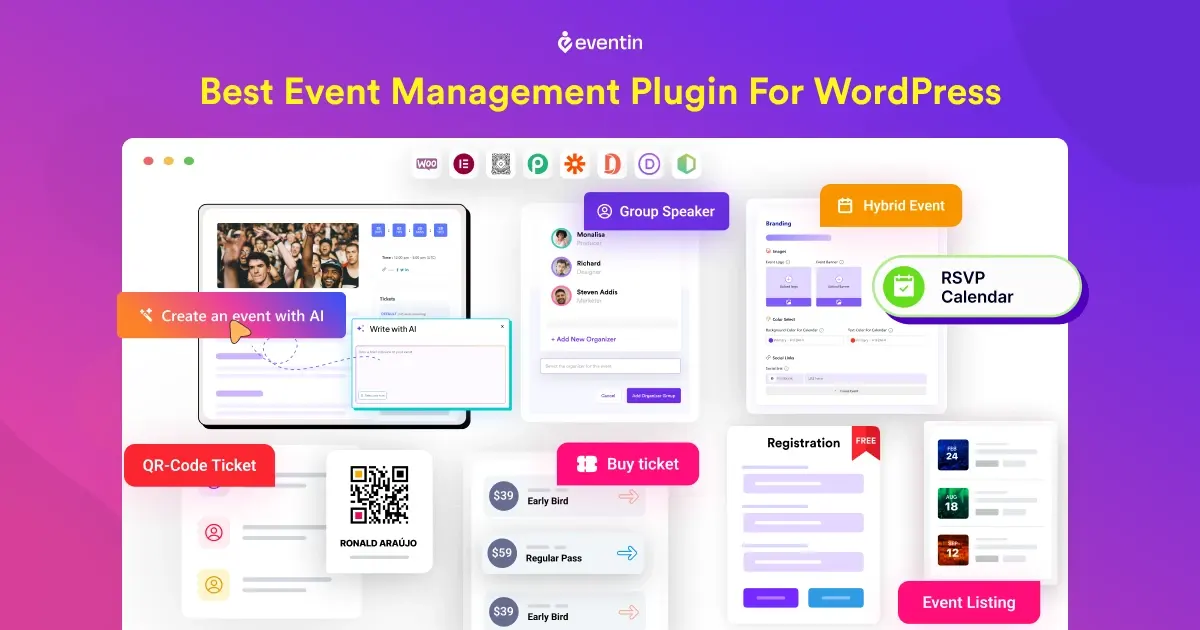
Once you finalize your venue, managing event details can get messy, especially if you’re handling multiple locations or sessions. This is where Eventin helps.
You can manage and run events with event locations, display venue details with Google Maps, control ticket capacity based on your venue size, and keep everything organized in one place.
Instead of juggling spreadsheets and emails, you get a complete event management system to manage your event and venue setup smoothly.
Here’s how it helps streamline your venue workflow:
- Multi-venue support – Manage multiple event venues from a single dashboard.
- Google Maps integration – Add exact venue locations with maps for attendees.
- Event schedule & layout planning – Create structured timelines and assign venues to specific sessions or speakers.
- Ticketing and registration – Sell tickets and track seat capacity directly from WordPress.
- Automation-ready – Sync data with Google Calendar and send reminders automatically.
Ready to Manage Your Event Venues Without the Chaos?
Choosing the right venue is just one part of the process. Managing locations, schedules, ticket limits, and attendee details can quickly become difficult when you rely on multiple tools.
With Eventin, you can organize event venues, display locations with maps, control ticket capacity based on your venue size, and manage everything directly from your WordPress site—so you can focus on running successful events.
Common Mistakes to Avoid When Choosing Venues
Even experienced planners can overlook small details that lead to big problems on event day. Here are some common mistakes to avoid when choosing your event venue:
- Not checking capacity limits: A venue that’s too small or too large can affect comfort and energy levels.
- Ignoring accessibility: Make sure the venue is reachable for all guests, including those with special needs.
- Skipping the site visit: Photos can be misleading. Always visit in person or request a virtual tour.
- Overlooking hidden costs: Watch out for extra fees for equipment, cleaning, or overtime.
- Forgetting about technology: Poor Wi-Fi or outdated audio-visual setups can hurt your event experience.
- Not using planning tools: Managing everything manually increases errors and stress. Use an event management plugin like Eventin to handle scheduling, ticketing, and venue details in one place.
Hidden Costs to Check Before Signing a Venue Contract
Start with service charges and taxes. These are often added on top of the base price and can raise the total significantly.
- Check for overtime fees: If your event runs longer than planned, you may be charged per hour. This includes both space and staff costs.
- Look at equipment costs: Items like projectors, sound systems, lighting, or even chairs and tables may not be included in the base price.
- Ask about staffing fees: Some venues charge separately for security, cleaning staff, or event coordinators.
- Cleaning and damage deposits: You may need to pay upfront, and it might not be fully refundable.
- Review vendor-related fees: Some venues charge extra if you bring your own caterer or decorator.
- Check utility and setup costs: Power usage, special lighting setups, or early access for decoration can come with additional charges.
- Read the cancellation terms carefully: Some venues keep a large portion of your payment if you cancel late.
Want to manage your event smoothly after choosing the venue? Check out the best WordPress event management plugins to find the right tool for your setup.
FAQs About How to Choose an Event Venue
What should I check before booking an event venue?
Before booking an event venue, check the capacity, location, accessibility, parking, layout, Wi-Fi, AV setup, catering policy, and hidden costs. Also review the contract terms, cancellation policy, and available support staff.
How do I choose the right event venue?
Choose an event venue based on your guest count, event type, budget, and location. Make sure the venue supports your layout, technical needs, and accessibility requirements before making a final decision.
What are the most important factors when choosing an event venue?
The most important factors are capacity, location, accessibility, layout flexibility, cost, available services, and technical support. These directly impact your event experience and planning process.
What hidden costs should I look for in an event venue?
Common hidden costs include cleaning fees, service charges, overtime fees, equipment rental, staffing costs, and security deposits. Always ask for a full cost breakdown before booking.
What questions should I ask an event venue?
Ask about maximum capacity, what’s included in the price, overtime charges, vendor policies, Wi-Fi quality, parking, accessibility, and cancellation terms. These help you avoid unexpected issues later.
What are some tips for negotiating with a venue?
Be clear about your event budget and needs from the start. Don’t be afraid to ask for discounts or added perks, especially if you’re planning a large event or considering multiple bookings. Also, showing willingness to adjust your event date to a less busy time can leverage better terms.
Ready to seal the success of your event?
Choosing the right venue is one of the most important steps in planning a successful event. It affects everything from how guests feel to how smoothly your schedule runs. By focusing on location, capacity, accessibility, and technical setup, you can ensure an excellent experience for both organizers and attendees.
And when you manage your events on WordPress, tools like Eventin make the process faster and more organized. You can manage venues, track bookings, sell tickets, and handle communication all from one place.
The proper venue brings your event to life. The right tool makes it stress-free.