Your Event Community Is Dying Slowly, Here’s How to Revive It


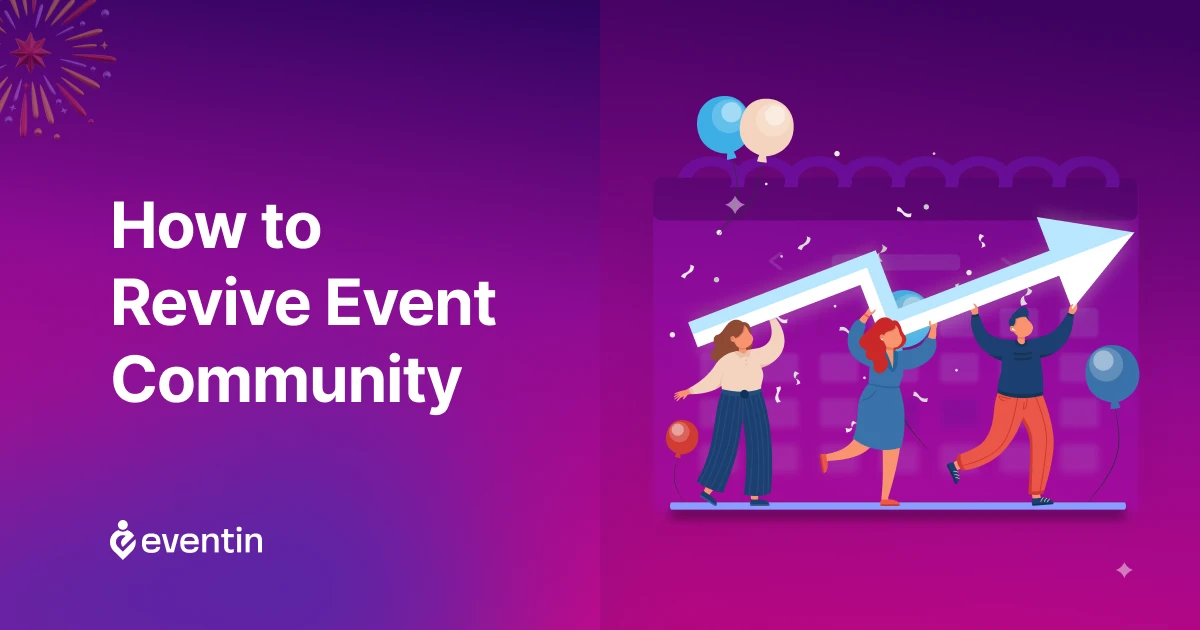
Is your event community less active than before?
Fewer sign-ups, fewer conversations, and low engagement are clear signs that something is wrong. But this does not mean your events have failed. It means your community is losing interest.
Most event communities do not disappear suddenly. They slowly fade when people stop seeing value, stop feeling involved, or stop hearing from the organizer.
Don’t worry! It is possible to revive your event community.
You do not need to start from the beginning. You need to understand what went wrong and take the right steps.
This guide will show you simple, proven ways to revive your event community and bring the excitement back.

10 proven ways to revive your event community and bring attendees back

Here are 10 practical steps to help you revive your event community and re-engage attendees. Each point focuses on building trust, consistency, and long-term participation.
1. Identify and fix the real reason people stopped showing up
Don’t guess. Guessing kills communities.
When attendance drops, many community owners assume people are busy or no longer interested. That mindset is dangerous. Most people don’t leave without a reason. They leave because something stopped working for them.
The only way to find that reason is to listen.
Start with listening, not fixing
Before you change formats, speakers, or platforms, pause and collect feedback.
Keep it simple. One clear question works better than a long survey.
Ask past members this: “What made you stop attending?”
You can send this through:
- A short email
- A quick poll
- A direct message
- A simple form with one or two questions
The goal is not volume. The goal is honesty. People are more open when they don’t feel judged or sold to.
Look at what people did, not just what they said
Feedback tells part of the story. Behavior tells the rest.
Go back to your event data and check:
- When attendance started dropping
- How many people registered but didn’t show up
- When people left during sessions
- Whether chat, comments, or discussions slowed down
These patterns point to the real problem.
For example:
- High registrations but low attendance often mean weak motivation or bad timing
- People leaving early usually means low value or long sessions
- Silent chat often means people don’t feel connected or safe to speak
Data helps you avoid emotional decisions.
Separate real reasons from surface excuses
Most communities don’t fail because of one big mistake. They fade because of small, repeated issues.
Here are common real reasons, not excuses:
- Events felt repetitive: Same format. Same flow. Same topics. People already knew what would happen, so they stopped showing up.
- No clear value: Sessions sounded interesting, but attendees couldn’t explain what they gained afterward.
- Bad timing: Wrong time zone, long work hours, or sessions that ran too long.
- Too sales-focused: Too many pitches, sponsor talks, or product promotions. Trust drops fast when people feel sold to.
- No sense of connection: No interaction. No conversations. No recognition. People felt invisible.
When you know which one applies, the solution becomes clearer.
Fix one major issue first
This is where many communities fail. They try to fix everything at once:
- New format
- New speakers
- New platform
- New branding
That creates confusion and burnout. Instead, pick one major issue that caused the drop and fix only that. For example:
- If events felt repetitive, change the format
- If value was unclear, add clear takeaways
- If it felt salesy, remove pitches
- If connection was missing, add discussion time
One strong fix is better than ten weak changes.
📚 Related reading: How to Build an Event Marketing Funnel That Actually Works 👉 Read more
2. Clarify and refresh the community’s purpose

When a community starts losing people, the purpose is often the problem. Not because it’s wrong, but because it’s unclear, outdated, or too broad.
If members don’t understand why they should show up, they won’t make time for it.
Get clear on why your community should exist today
Start by asking one honest question: “Why should someone attend our next event instead of doing something else?”
If the answer sounds generic, that’s the issue. Many communities rely on purposes like:
- Networking
- Learning
- Sharing ideas
These sound fine, but they don’t create urgency or commitment. People need a specific reason to return.
A strong purpose clearly explains:
- Who the community is for
- What problem it helps solve
- What members will gain over time
For example, instead of saying: “A community for event professionals”
Say: “A monthly space where event organizers learn one practical tactic and connect with peers facing the same challenges.”
This instantly sets expectations and creates relevance.
Refresh the purpose based on real member needs
Your community may have started with one goal, but needs change.
Look back at:
- Sessions with the highest attendance
- Topics that sparked real discussion
- Feedback from active members
These show what people actually value—not what you planned.
Refreshing the purpose doesn’t mean starting over. It means removing what no longer matters and focusing on what does.
- If members stayed longer during Q&A, your purpose may need to shift toward discussion.
- If people joined for practical help, your purpose should highlight outcomes, not talks.
Purpose should reflect reality, not intention.
Make the purpose visible and consistent
Once your purpose is clear, communicate it everywhere.
Say it:
- On your event page
- In reminder emails
- At the beginning of each event
- In community descriptions
Repeat it often. Repetition builds trust. When people know what to expect, they feel more comfortable showing up again.
“If a member can explain your community in one clear sentence, your purpose is working.”
A clear purpose turns casual attendees into long-term members.
📚 Related reading: How to Write Event Announcements That Actually Get Registrations (With Examples) 👉 Read more
3. Relaunch the community with a long-term plan
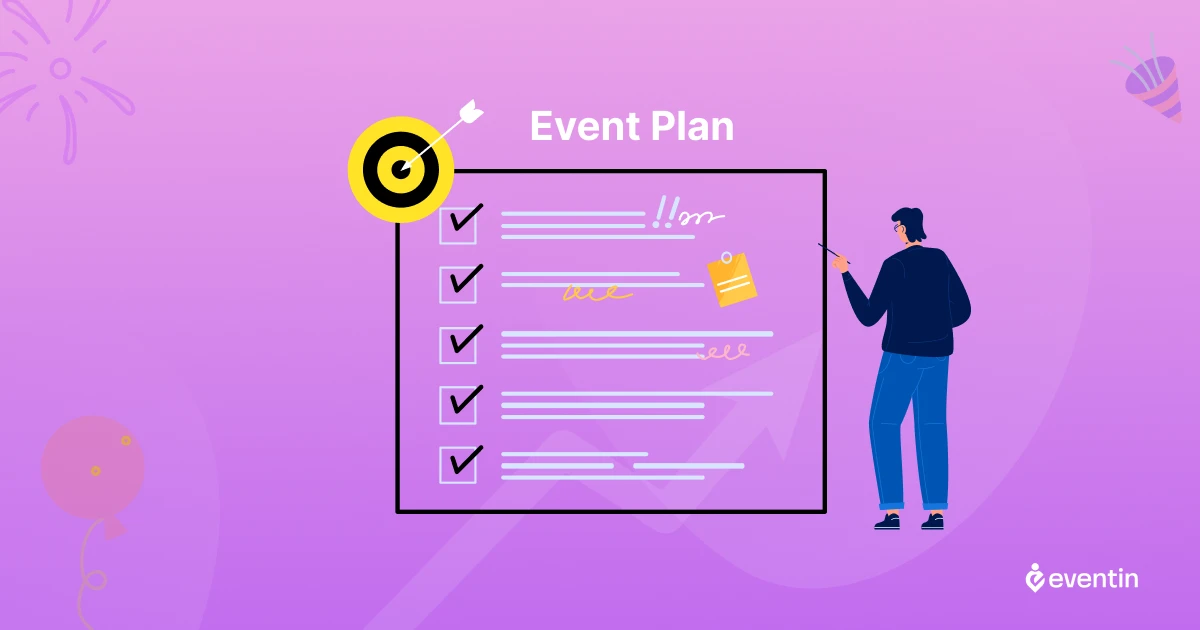
Once you fix the core problem and clarify your purpose, don’t quietly continue as if nothing changed.
A community revival needs a clear relaunch, not a soft restart. Relaunching shows members that this time, things are intentional.
Treat the relaunch like a reset, not a random event
Many communities fail because they restart without direction. They host one event, hope people return, and get discouraged when they don’t.
Instead, position the relaunch as a fresh chapter.
Tell your audience:
- What wasn’t working before
- What has changed now
- What they can expect going forward
This honesty rebuilds trust. People are more likely to return when they see a plan, not guesswork.
Build a simple long-term roadmap
You don’t need a complex strategy. You need structure.
Create a 90-day plan that sets expectations and builds habits.
| Phase | Focus | What you do | Why it works |
| Month 1 | Reconnect | Explain changes, re-invite past members | Rebuilds trust |
| Month 2 | Engage | Add discussions, Q&A, member input | Creates interaction |
| Month 3 | Retain | Keep format and timing consistent | Builds habit |
This tells members the community is here to stay.
Announce the plan clearly
Share the plan openly:
- In your relaunch email
- On the event page
- During the first relaunch session
Let people know:
- Event frequency
- General format
- What value they’ll gain each time
Predictability builds confidence. People show up when they know what’s coming.
Start small and prove consistency
Your first few relaunch events matter more than big numbers.
Focus on:
- Showing up on time
- Delivering the promised value
- Ending when you said you would
Even a small, consistent group is better than a large, unstable one. When people see consistency over time, attendance grows naturally.
📚 Related reading: How to Create Multiple Event Pricing Strategy for Your Events 👉 Read more
4. Welcome new members properly
Most communities don’t lose people after six months. They lose them in the first few days.
New members join with interest, but if they feel confused or ignored, they quietly disappear. A strong welcome fixes this.
Create a simple and clear first experience
A good welcome doesn’t need tools or long rules. It needs three things:
- A friendly acknowledgment
- A short explanation of what the community is about
- One easy next step
This helps new members feel safe and included.
Example welcome message: “Welcome! This community is for event organizers sharing real experiences. Start by introducing yourself and telling us what kind of events you run.”
Keep the first action easy. New members won’t engage if the effort feels high.
Ask for something small:
- One-sentence introduction
- Reply to a pinned question
- Join the next scheduled event
Small actions lead to early engagement, which increases long-term participation.
5. Recognize and value active members
Every community has a small group of people who keep things moving. They attend events regularly, reply to posts, ask questions, and help others. These members are the backbone of your community.
If they feel ignored, they slowly pull back. When that happens, the rest of the community becomes quiet too.
Recognizing active members is not optional. It’s a responsibility.
Recognition makes people feel they belong
People don’t contribute only for information. They contribute because they feel noticed.
Simple recognition works better than formal rewards:
- Saying their name during an event
- Thanking them for a helpful comment
- Referring to an idea they shared earlier
- Giving credit when their suggestion is used
These moments tell members, “You matter here.”
Make recognition part of your routine
Recognition should not feel like a special campaign or a rare announcement. It should happen naturally and often.
- If someone shows up consistently, acknowledge it.
- If someone helps another member, highlight it.
- If someone asks a good question, say so.
When recognition becomes a habit, participation becomes normal.
Give active members more ownership
The strongest way to value someone is to trust them. Invite active members to:
- Co-host a session
- Lead a short discussion
- Share a real experience
- Help welcome new members
This shifts their role from attendee to contributor. Once people feel ownership, they stop leaving.
Why this matters long-term
Communities don’t grow from content alone. They grow from people who feel connected and valued.
- When active members feel appreciated, they stay involved.
- When they stay involved, others feel encouraged to join in.
📚 Related reading: How to Build a Multivendor Event Marketplace in WordPress (Step-by-step Guide) 👉 Read more
6. Maintain a consistent content schedule
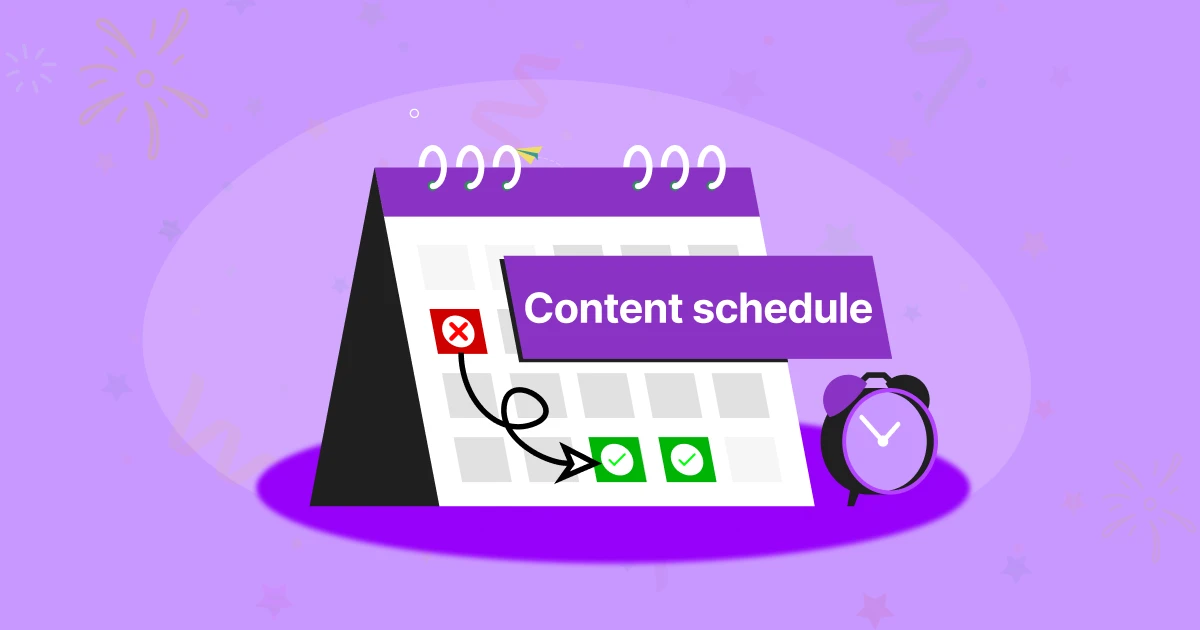
A community doesn’t grow because one event went well. It grows when people know exactly when to show up and what to expect.
Inconsistent schedules confuse people. Confused people stop attending.
When your schedule keeps changing, members can’t build a routine. They stop planning for your events and treat them as optional.
Consistency builds:
- Trust (“This will happen”)
- Habit (“This is part of my routine”)
- Long-term participation (“I don’t need reminders anymore”)
Build a clear and realistic content schedule
Your schedule should balance value, frequency, and effort. Below is a practical example that most event communities can sustain long-term.
| Content type | Frequency | Day & time | Duration | Goal | What members get |
| Main live event | Once a month | 1st Thursday, 7 PM | 60 minutes | Core value | One practical idea + discussion |
| Open discussion session | Once a month | 3rd Thursday, 7 PM | 45 minutes | Engagement | Peer sharing and Q&A |
| Weekly discussion post | Once a week | Every Monday | 5–10 mins to read | Continuity | Ongoing conversation |
| Community update | Once a month | Last week of month | Short post | Direction | What’s coming next |
| Member spotlight | Once a month | Any weekday | Short post | Recognition | Sense of |
This structure gives members multiple touchpoints without overwhelming them.
Detailed example: how this looks in real life
Instead of: “We host sessions from time to time based on availability.”
Use this: “Our community meets twice a month. On the first Thursday, we host a 60-minute live session focused on one real event challenge. On the third Thursday, we hold an open discussion where members share what worked and what didn’t. Every Monday, we post one discussion question to keep the conversation going.”
Now members clearly understand:
- When to show up
- What type of value they’ll get
- How much time it requires
That clarity increases attendance naturally.
📚 Related reading: How to Add Event Schedule Tab in WordPress Website 👉 Read more
7. Encourage member participation and contributions
A community grows when members take part, speak up, and share.
If participation is low, it’s usually not because members are uninterested. It’s because they don’t feel comfortable or don’t know how to join in. Your goal is to remove that friction.
Make participation feel easy and low-risk
Most people won’t start with long messages or strong opinions. That’s normal.
Start with actions that feel safe:
- One-sentence replies
- Simple polls
- Short questions based on real experience
- Quick comments instead of long posts
When the effort feels small, more people join in. Once they do it once, they’re more likely to do it again.
Ask clear, experience-based questions
Participation depends heavily on how you ask.
Avoid vague questions like:
- “Any thoughts?”
- “What do you think about this?”
These give people no direction. Instead, ask questions tied to real situations:
- “What’s one thing that didn’t work in your last event?”
- “What’s the hardest part of filling seats right now?”
- “What would you change if you ran that event again?”
Specific questions make it easier to answer and encourage honest replies.
Create space for member contributions
If all talking comes from the host, members stay passive. Actively invite members to:
- Share a short experience
- Ask a question during sessions
- Help answer someone else’s question
- Lead a small part of a discussion
This shows that the community is not a one-way conversation.
Acknowledge and respond to contributions
This part is critical. When members contribute and get no response, they stop.
Always:
- Reply to comments
- Thank members for sharing
- Refer back to their points later
Acknowledgment reinforces participation and builds confidence.
📚 Related reading: Google AI Overviews & Events: How to Format Your Event Page so Google Quotes You 👉 Read more
8. Celebrate achievements
People stay in a community when they feel their progress is noticed.
When members put in effort but hear nothing back, motivation slowly fades. Over time, those members stop sharing, stop attending, and eventually disappear.
Celebrating achievements sends a clear message: your effort matters here. It shows that progress is valued, even when the win is small.
Make achievements visible to everyone
Celebration works best when it is public. When others can see progress, it builds confidence across the whole community.
You don’t need anything fancy. Simple actions work:
- Mention the achievement during a live session
- Share a short post in the community
- Post a screenshot or a brief story explaining the win
Public recognition does two things at once. It boosts the confidence of the person being recognized, and it shows others that progress is possible for them too.
Explain why the achievement matters
Avoid stopping at “Congrats.”
Add context so the win feels real and useful.
Share:
- What challenge the member was facing
- What changed or improved
- What they learned from the experience
This turns a celebration into a learning moment. Other members don’t just feel happy for someone—they learn from it and feel encouraged to try themselves.
Celebrate often and consistently
Celebration should not feel rare or random. If it happens once in a while, people don’t expect it. When a celebration happens regularly, it becomes part of the community culture.
Encourage members to share their own progress. Acknowledge it openly. Even small updates deserve attention.
When progress is seen and appreciated, people stay engaged and motivated to keep showing up.
📚 Related reading: How to Secure Your WordPress Website Against AI-Powered Hacking in 2026 👉 Read more
9. Use social proof to rebuild trust
When a community slows down, trust becomes weak.
New members hesitate. Old members stay silent. Everyone is watching before they commit again. Social proof removes that hesitation by showing real activity.
Use proof that reflects real participation:
| Type of proof | What to share | Why it works |
| Event activity | Photos, screenshots, attendance numbers | Shows real presence |
| Member voices | Short quotes, feedback, replies | Builds trust through honesty |
| Engagement | Chat snippets, discussion highlights | Proves interaction |
| Progress | Small wins, milestones | Signals momentum |
Where to use social proof
Social proof works best at decision points. Use it in:
- Event registration pages
- Reminder emails
- Welcome messages for new members
- Posts announcing upcoming events
This reassures people right when they’re deciding whether to join or return.
Keep social proof fresh and consistent
Old proof loses impact. Share updates regularly:
- Recent wins
- New member feedback
- Small engagement milestones
Consistent proof shows that the community is active now, not in the past.
📚 Related reading: 10 Proven Venue Marketing Strategies That Drive More Bookings (and Keep Your Calendar Full) 👉 Read more
10. Stay patient and consistent over time
Community revival is not a quick fix. It’s a slow process that rewards consistency, not urgency.
Most community owners lose momentum because they expect fast results. When that doesn’t happen, they change direction too often or stop altogether.
That’s what actually kills communities.
If you stay consistent longer than others quit, the community eventually follows.
Patience is the final step.
Final words
Reviving an event community takes time, consistency, and the right support system. You can do all the steps above manually, but managing everything manually can quickly become difficult as your community grows.
This is where the Eventin event management plugin can help.
Eventin gives you a clear and reliable way to manage and revive your event community. It helps you stay consistent with event schedules, manage registrations, reduce no-shows, and present event details clearly to attendees.
With Eventin, you can:
- Run recurring events without extra setup
- Keep event information organized and easy to access
- Track attendance to understand engagement patterns
- Maintain a predictable event flow that builds trust
👉 For existing communities, Eventin helps you restart with structure.
👉 For new communities, it helps you build consistency from the beginning.
If you want to rebuild your event community and keep it active long term, using a proper event system is not optional anymore. It’s the foundation.
Eventin gives you that foundation, so you can focus on people, not logistics.
FAQs
Is it normal for an event community to lose engagement over time?
-Yes. Most event communities don’t fail suddenly. They slowly lose engagement when people stop seeing value, stop feeling involved, or stop hearing consistently from the organizer. This is common and fixable.
Do I need to shut down my community and start over?
-No. In most cases, you don’t need a fresh start. You need to understand what went wrong, fix one major issue, and rebuild trust step by step. Existing members are often easier to re-engage than finding new ones.
What is the first thing I should fix when attendance drops?
-Start by listening. Ask past members why they stopped attending and review your event data. Fix one core problem first, such as unclear value, poor timing, or lack of interaction. Trying to fix everything at once usually backfires.
How long does it take to revive an event community?
-Community revival takes time. You may see small signs first, like repeat attendees or better conversations, before numbers grow. Consistency over a few months matters more than quick results.
How can I keep my events consistent without burning out?
-Set a realistic schedule you can maintain long term. It’s better to host one well-planned monthly event than multiple events you can’t sustain. Clear timing and predictable formats reduce pressure on both you and your members.
How does Eventin help with community revival?
–Eventin event manager helps you bring structure and consistency to your events. It makes it easier to manage recurring events, handle registrations, reduce no-shows, and present clear event details. This reliability helps rebuild trust and encourages members to return.
Can Eventin work for both small and growing communities?
-Yes. Eventin event manager works well for small communities starting to re-engage and for larger communities managing regular events. As your community grows, Eventin helps you stay organized without adding complexity.