How to Use an Event Management Plugin Effectively


Table of Contents
An event management plugin is most useful when you configure it around your actual event workflow instead of enabling every available feature. Start by setting up your event details, registration or tickets, attendee information, payments, and communication. Then use integrations, check-in tools, analytics, and post-event data based on your event requirements.
In this guide, we’ll show you how to use an event management plugin effectively from initial setup through post-event analysis, using Eventin as the practical WordPress example.own and join the plugin revolution!
If you’re still exploring what features an event solution should include, see our WordPress event management plugin guide for a closer look at event creation, registration, ticketing, attendee management, and calendar features.
How to Set Up an Event Management Plugin

A couple of weeks back we prepared a separate blog on the best event management plugin, where we mentioned some best event management plugins that you can use to manage your next event.
Considering your event needs, you can choose any of them. But in this case, we’re sharing the process with the Eventin event management plugin.
So, let’s get started!
Step-1: Install and Configure Eventin
First, you need to install Eventin. And then make the general settings done for the plugin. After doing it, you’re good at creating Events. Eventin offers the following types of plugins-
Now, create your desired event considering your event type. Put all the necessary details while you’ll be creating your event.
Step-2: Set Up the Features Your Event Needs
Even though Eventin offers an extensive list of features, not all of them you need to care about. The type of your event will tell what event management plugin features you should utilize to make your event successful.
Hence, event planning should be the first priority that will eventually determine how you should configure Eventin on your website to make your event more fruitful and effective.
Bonus Blog: If you’re on a tight budget and struggling to plan for your event, then this blog on how to plan an event on a tight budget might be helpful. Also, we believe this blog will help you get a rough idea what features you should enable while using Eventin.
But we want to mention some of the features that commonly almost all types of events require. Here are some of these-
- Google Meet Integration: Google meet is one of the most handy options to make your virtual events successful. Almost 1.8 billion people on earth are Gmail subscribers. So, having Google meet integration with your event management free plugin means you’re making the process easier for all of them.
- CRM Integration: CRM allows you to analyze your customer interaction and help to develop efficient marketing strategies that will eventually help boost your engagement rate. Eventin has FluentCRM Integration that enables you to run Email marketing campaigns using the data you collect with your CRM system.
- WooCommerce Compatibility: Installing the WooCommerce plugin on your site will enable some crucial features of Eventin that you’ll need to manage your events. Additionally, you’ll be able to handle financial transactions for your events.
- QR Code Generator: Your event management plugin should have the ability to generate QR codes for event attendees. This feature will enable you to maintain detailed records, including the maximum number of attendees who joined your event, the number who entered the venue, the quantity of tickets remaining, and more.
- Multiple Pricing Table: If you offer ticket variations, you’ll need to set different prices for each ticket. Therefore, multiple pricing features are a must-have! Additionally, besides setting the various prices, it will also enable you to display them on the front end.
While you’ll find many best event management plugins offering the features we’ve mentioned, choosing Eventin consolidates all of them into one package. You can explore our documentation to learn how to leverage all the necessary event management plugin features of Eventin.
How to Use an Event Management Plugin Effectively
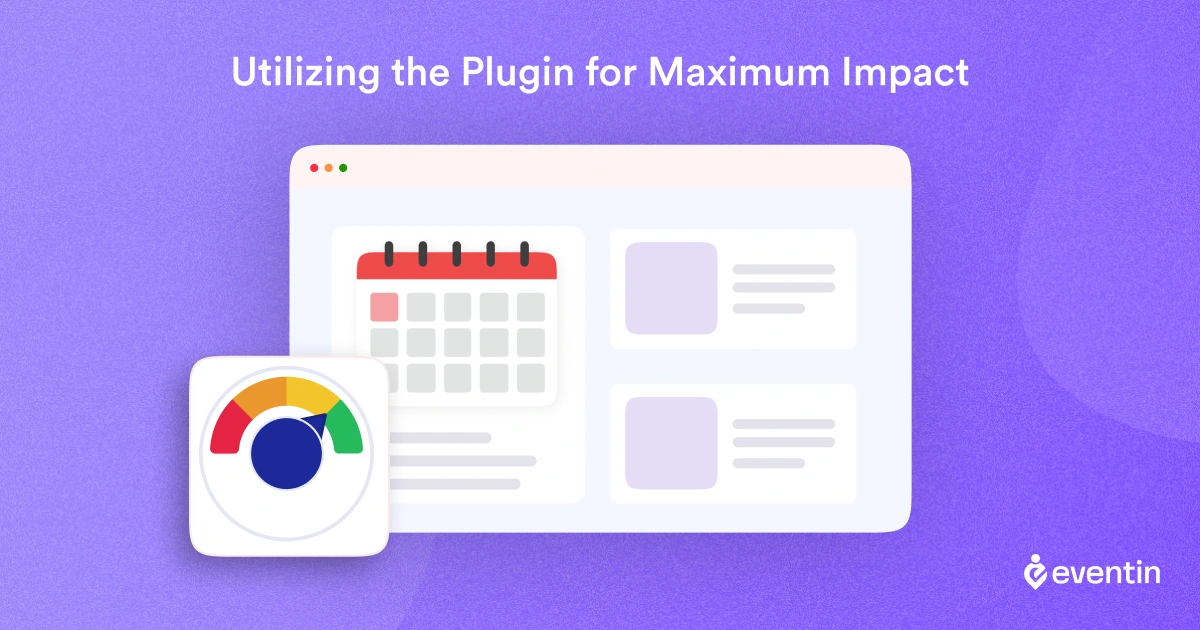
When it comes to leveraging an event management free plugin to its fullest potential, strategic implementation is key. Here are some actionable steps to ensure you’re maximizing the impact of your desired event management plugin-
1. Use Integrations to Promote Your Event
Start by utilizing the plugin’s promotional tools to spread awareness about your event. Leverage features such as email marketing integrations, social media sharing options, and customizable event listings to attract attendees and generate excitement. In your case, FluentCRM could be your handy option. Craft compelling messaging and captivating visuals to capture attention and encourage registrations.
Bonus Tip: When running email marketing campaigns, you might struggle to increase the opening rate, conversion rate, etc. Here, we’ve listed 30+ email templates that can bring you exponential growth. Intriguing, right? Then let’s check them out!
2. Use Event Data to Improve Performance
Once your event is underway and after it has concluded, delve into the data provided by the plugin. Analyze metrics such as registration numbers, ticket sales, attendee demographics, and engagement levels. By examining this data, you can gain valuable insights into attendee behavior, preferences, and areas for improvement. Use these insights to inform your event strategy and refine future planning efforts.
3. Collect and Use Attendee Feedback
After the event, utilize the plugin to collect feedback from attendees. Implement post-event surveys, polls, or feedback forms to gather insights on various aspects of the event, including content, speakers, logistics, and overall experience. Pay close attention to both positive feedback and constructive criticism. This feedback will serve as a roadmap for enhancing events with plugins and ensuring they continue to meet the needs and expectations of your audience.
4. Use Past Event Data to Improve Your Next Event
Review registrations, ticket sales, attendance, and attendee feedback from past events to understand what worked and what needs improvement. Use these insights to adjust your ticket strategy, event capacity, promotions, and attendee communication for future events.
Final Verdict
As highlighted throughout this blog, the market is teeming with event management free plugins, each offering a myriad of features. However, not all features may be relevant to your specific needs. It’s imperative to assess your requirements carefully.
Determine precisely what functionalities are essential for your event management process. Seek out a plugin that aligns with these needs, streamlining your workflow and optimizing efficiency. By selecting a tailored solution, you not only simplify the event management process but also optimize cost-effectiveness. This is how to utilize an event management plugin to enhance your event success.
Remember, the key to success lies in choosing the right tool that caters to your unique demands, ensuring seamless execution and maximizing the impact of your events.
Frequently Asked Questions (FAQ)
What is an event management plugin?
An event management plugin is a software tool designed to assist users in planning, organizing, and managing events. It typically offers features such as event registration, ticketing, promotion, attendee management, and analytics.
How do event management plugins benefit event organizers?
The best event management plugins streamline the event planning process by automating tasks, centralizing data, and providing insights through analytics. They help organizers save time, reduce administrative workload, improve attendee experience, and enhance overall event success.
Are event management plugins suitable for all types of events?
Yes, event management plugins can be tailored to suit various types of events, including conferences, seminars, workshops, trade shows, social gatherings, and fundraisers. The flexibility of these plugins allows organizers to customize features according to their specific event needs.
What factors should I consider when choosing an event management plugin?
When selecting an event management plugin, consider factors such as your event requirements, budget, scalability, ease of use, customization options, integrations with other tools, customer support, and user reviews. Assessing these aspects will help you choose a plugin that best aligns with your needs and objectives.
Can event management plugins integrate with other tools and platforms?
Yes, many best event management plugins offer integrations with various tools and platforms such as email marketing software, CRM systems, payment gateways, and social media platforms. These integrations enable seamless data exchange and enhance the functionality of the plugin.
How can I ensure data security when using an event management plugin?
To ensure data security when using an event management plugin, opt for plugins that comply with data protection regulations such as GDPR. Choose reputable vendors with robust security measures in place, such as encryption, access controls, and regular security updates. Additionally, implement best practices such as using strong passwords and restricting access to sensitive data.